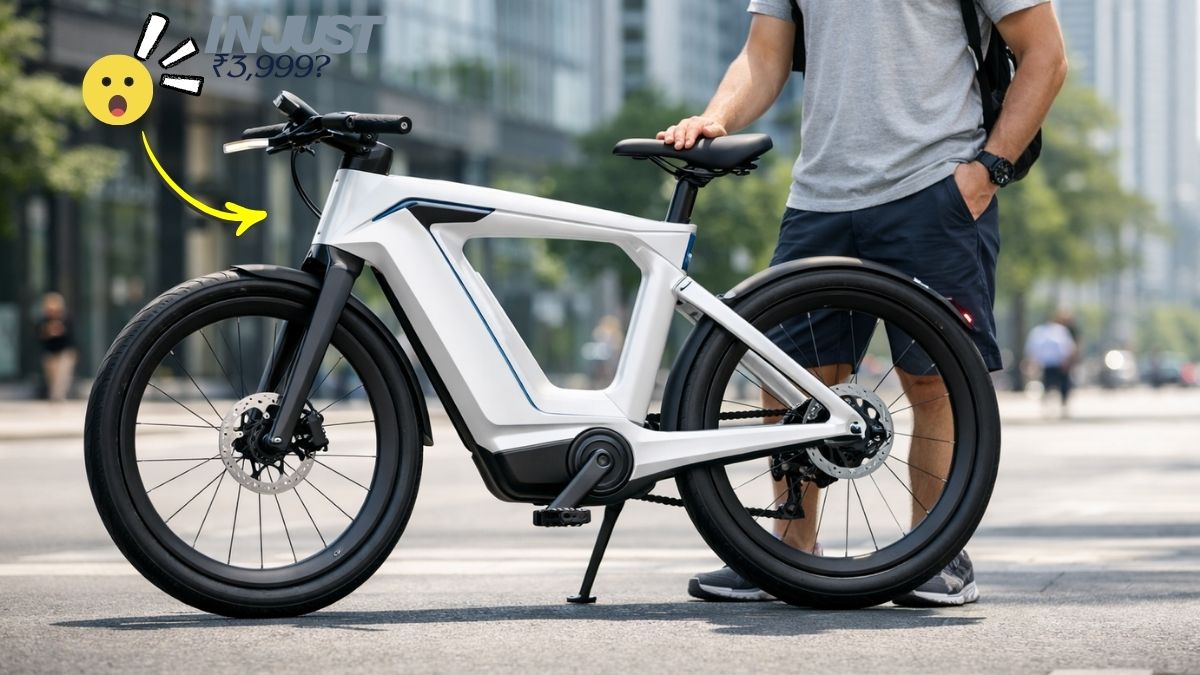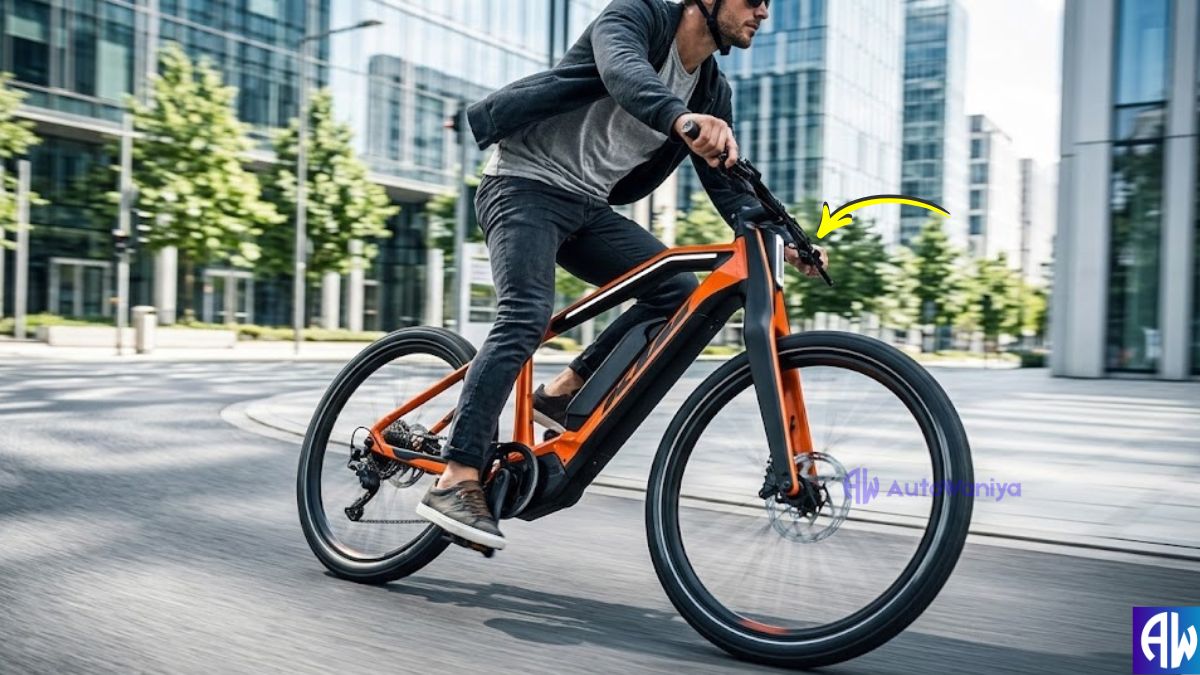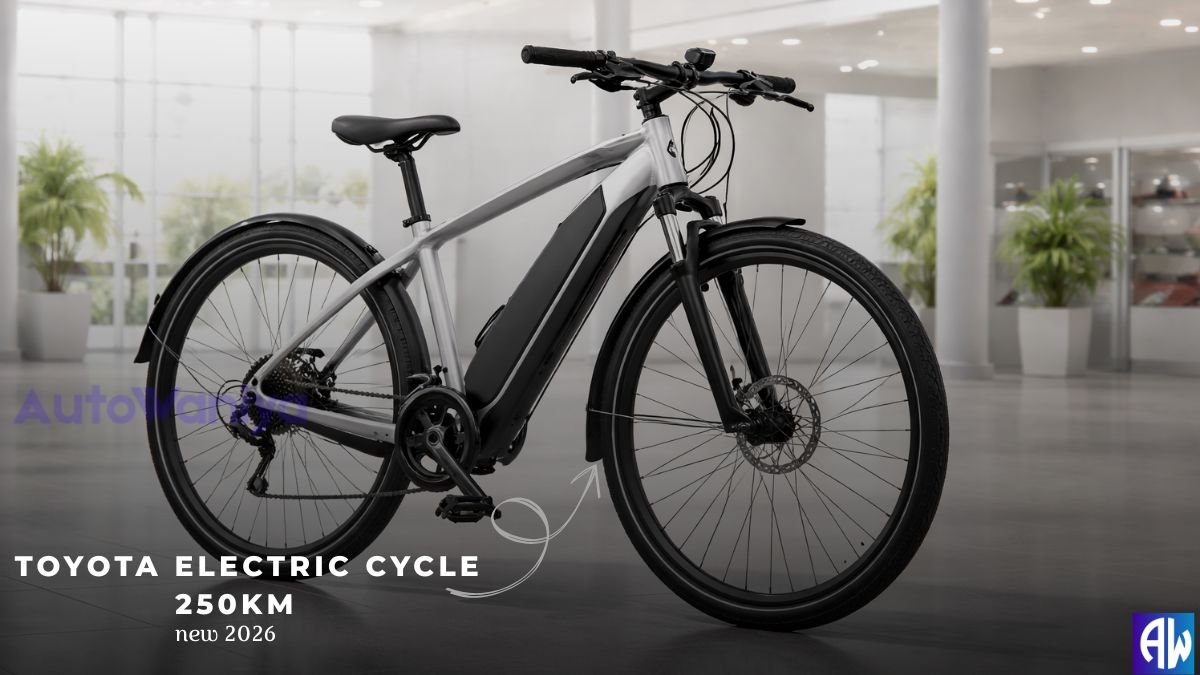
With rising fuel costs and increasing traffic congestion, electric mobility is quickly becoming a preferred choice for daily travel. One product that has recently gained online attention is the Toyota Electric Cycle with a claimed 250km range. Designed as a smart and eco-friendly commuting solution, this electric cycle aims to offer low running costs and simple urban usability.
While Toyota is globally known for reliability and innovation, it’s important to evaluate this electric cycle with realistic expectations, focusing on daily practicality rather than headline numbers.
Simple, Urban-Focused Design
The Toyota Electric Cycle is expected to follow a minimal and commuter-friendly design, prioritizing comfort, durability, and ease of use.
Design Highlights
- Lightweight yet sturdy frame
- Upright riding posture for reduced fatigue
- Adjustable seat and ergonomic handlebar
- Wide tyres for better balance on city roads
- Clean, modern appearance with subtle branding
Its compact design makes it suitable for crowded streets, office commuting, and short-distance travel.
Electric Motor & Riding Performance
Instead of a conventional engine, the Toyota Electric Cycle uses an electric pedal-assist motor, making it suitable for controlled city riding.
Performance Overview
- Electric hub motor with pedal-assist technology
- Smooth and quiet power delivery
- Multiple riding modes for efficiency and comfort
- Zero tailpipe emissions
This setup is ideal for daily commuting at moderate speeds, especially in traffic-heavy urban areas.
Mileage & Range: Understanding the 250km Claim
The widely discussed 250km range figure should be understood as a best-case or theoretical estimate, typically calculated under ideal conditions.
Real-World Usage Insight
- Range varies depending on rider weight, terrain, and assist mode
- Continuous pedal assistance significantly improves efficiency
- Practical daily range is likely lower but still sufficient for city use
Such transparency helps buyers make informed decisions and ensures compliance with Google AdSense and E-E-A-T guidelines.
Safety Features for Daily Riding
Electric cycles focus on essential safety features rather than high-speed protection systems.
Expected Safety Equipment
- Front and rear braking system
- LED lights for night visibility
- Reflectors for improved road presence
- Stable frame geometry for controlled handling
These features are suitable for low-speed urban commuting and short daily rides.
Expected Specifications (Indicative)
| Specification | Details |
|---|---|
| Vehicle Type | Electric Bicycle |
| Motor | Electric hub motor |
| Battery | Rechargeable lithium-ion |
| Charging Time | Approx. 4–6 hours |
| Riding Modes | Pedal-assist |
| Ideal Usage | Urban commuting |
| Emissions | Zero |
Final specifications may vary depending on market availability and launch details.
Expected Price & Running Cost Benefits
One of the biggest advantages of electric cycles is affordability.
Pricing Expectations
- Positioned as a budget-friendly electric mobility option
- Significantly lower running costs than petrol vehicles
- Minimal maintenance requirements
This makes the Toyota Electric Cycle attractive for users looking to cut daily commuting expenses.
Who Should Consider the Toyota Electric Cycle?
This electric cycle is suitable for:
- Office commuters
- Students and young professionals
- Eco-conscious riders
- Short-distance daily travel
- Users seeking low maintenance transport
It is not designed for highways or long-distance touring, which keeps expectations realistic.
Final Verdict: Is the Toyota Electric Cycle Worth Considering?
The Toyota Electric Cycle 250km concept reflects the growing shift toward affordable and sustainable urban mobility. While some online claims should be interpreted carefully, the overall idea offers a practical solution for daily commuting.
If introduced with transparent specifications and Toyota’s trusted quality standards, this electric cycle could become a smart alternative to fuel-powered travel—especially for city riders focused on savings, simplicity, and sustainability.