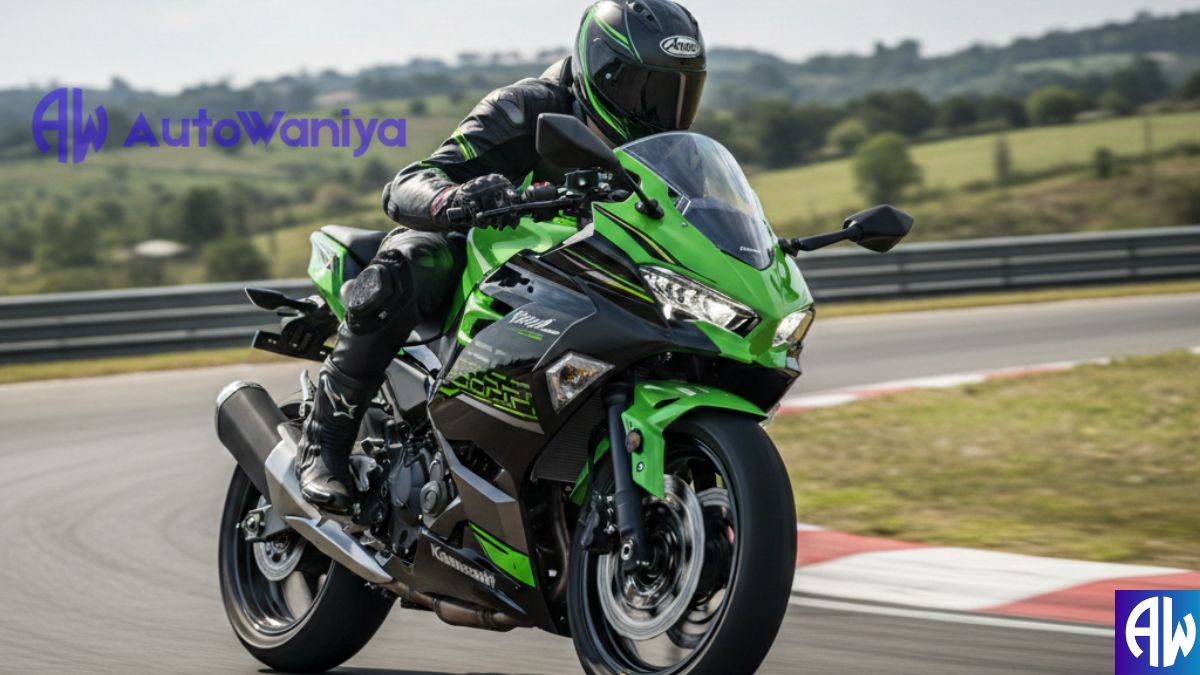
In an era where the “parallel-twin” has become the industry standard for efficiency, Kawasaki has just sent a loud, high-pitched message to the world: The soul of the supersport isn’t dead yet.
The official launch of the 2026 Kawasaki Ninja ZX-4R has sent shockwaves through the riding community. This isn’t just a minor facelift; it’s a refined, track-focused evolution of a machine that remains the only one of its kind. If you’ve been waiting for a reason to trade in your middleweight twin for something that screams to 15,000 RPM, this is it.
A Masterclass in Engine Refinement
At the heart of the 2026 Ninja ZX-4R sits that glorious 399cc liquid-cooled, inline-four engine. While the peak horsepower figures remain competitive, Kawasaki’s engineers focused their attention on tractability.
For 2026, the engine has undergone internal refinements to smoothen out the power delivery. We’re looking at a more robust mid-range—addressing one of the few complaints about the previous generation—making it just as capable of navigating city traffic as it is at hunting apexes on a Sunday morning. The throttle-by-wire system has been recalibrated, offering a “telepathic” connection between the rider’s wrist and the rear tire.
Aggressive DNA: Track-Ready Design
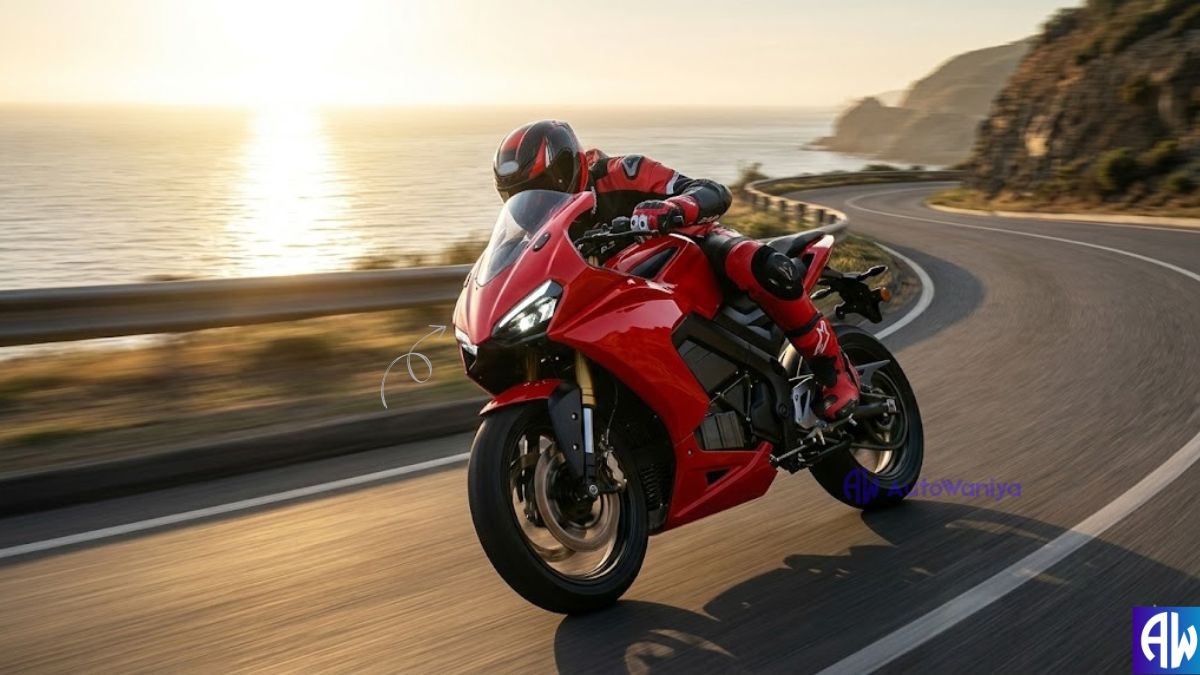
Visually, the 2026 model looks like it just rolled out of the World Superbike (WSBK) paddock. The new fairing design isn’t just about looking “meaner”—though it certainly achieves that with its sharper LED brow and recessed intake ducts.
Kawasaki has optimized the aerodynamics to reduce buffeting at high speeds. The bike feels narrower between the knees, allowing for better “flickability” in tight chicanes. Whether you’re tucked behind the windscreen on a long straight or hanging off the seat in a hairpin, the ergonomics feel more purposeful than ever.
Smart Tech for the Modern Rider
Kawasaki didn’t just stop at the mechanical bits. The 2026 ZX-4R features an updated suite of rider aids that act as a safety net without dulling the fun:
- Refined KTRC (Kawasaki Traction Control): The system now intervenes more subtly, allowing for better drive out of corners.
- Updated Quick Shifter: The Kawasaki Quick Shifter (KQS) is now smoother at lower RPMs, making the bike much more livable for daily commutes.
- TFT Connectivity: The full-color display now features enhanced smartphone integration, allowing riders to overlay GPS data with lean angle sensors via the Rideology app.
2026 Ninja ZX-4R: Core Specifications
| Feature | The Breakdown |
| Engine | 399cc Inline-Four, DOHC |
| Power Delivery | Enhanced Mid-Range + 15k RPM Redline |
| Frame | Lightweight Trellis (Race-derived geometry) |
| Suspension | Showa SFF-BP front forks / Horizontal Back-link rear |
| Brakes | Dual 290mm front discs with radial-mount calipers |
The Expert Take: Why This Bike Matters Right Now
Let’s be honest: logically, a 400cc four-cylinder shouldn’t exist in 2026. It’s expensive to build and requires precision engineering that most manufacturers have abandoned in favor of cheaper twins.
But motorcycles aren’t about logic; they’re about emotion.
The “Value Add” of the 2026 ZX-4R isn’t just in its spec sheet—it’s in the experience. It offers the high-stakes sound of a liter-bike without the “lose your license” speeds. It’s a bike that rewards skill. In a world of “sensible” motorcycles, the 2026 Ninja ZX-4R is a glorious, screaming outlier.
Final Verdict
If you are a track day enthusiast, a canyon carver, or simply someone who appreciates mechanical jewelry, the 2026 Kawasaki Ninja ZX-4R is the definitive choice. It remains the undisputed king of the small-displacement supersport category.