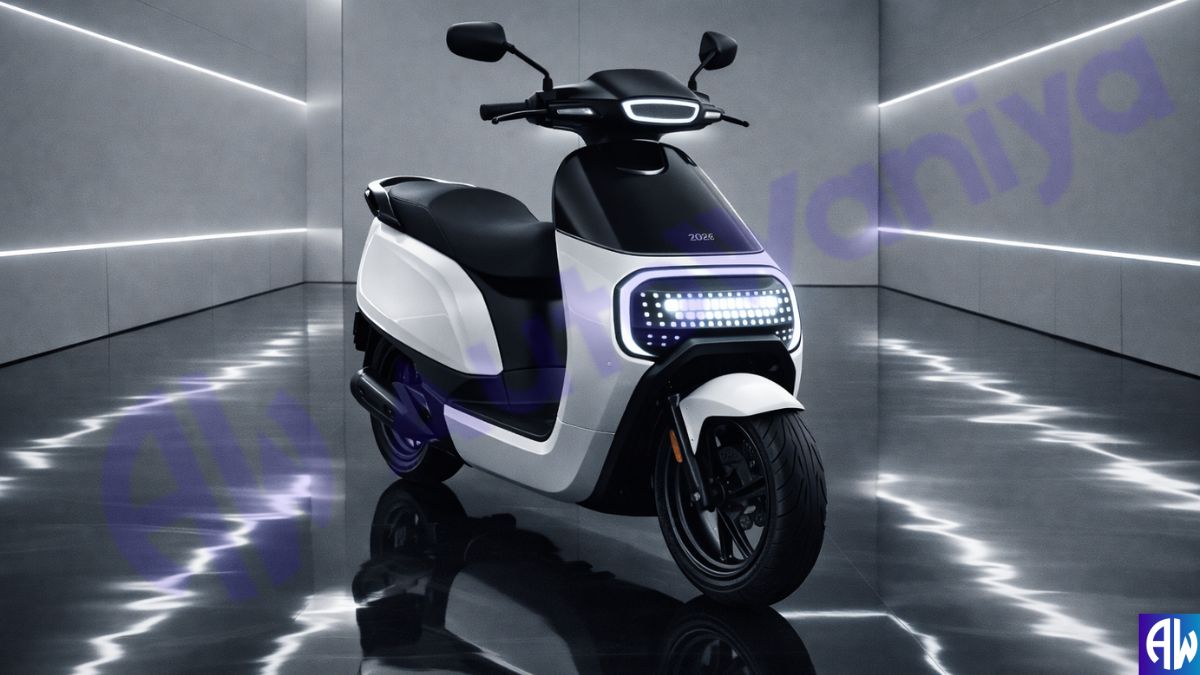
The hum of electric scooters has become the new soundtrack of urban India, and the undisputed leader of this silent orchestra has been Ola Electric. But in the fast-evolving world of EVs, resting on your laurels is not an option. The year 2026 brings with it a familiar yet enhanced contender: the new Ola S1.
Fresh reports indicate that Ola Electric is gearing up to unleash an updated version of its popular S1 scooter, promising to address the one concern that still keeps potential EV buyers awake at night—range anxiety. With a claimed figure of 181 kilometers on a single charge, the 2026 Ola S1 isn’t just entering the arena; it’s drawing a line in the sand. But in a market now flooded with impressive alternatives from Bajaj, TVS, and Ather, will a bigger battery be enough to keep Ola ahead of the pack?
The Range Game: 181km and Counting
At the heart of the buzz surrounding the 2026 Ola S1 is its projected range. The figure being whispered in automotive circles and emerging in early reports is an impressive 181 kilometers per charge. For the daily commuter, this is a magic number. It transforms the scooter from a simple “last-mile” solution into a genuine, all-purpose primary vehicle.
Imagine traveling from one end of a metropolis like Mumbai or Bengaluru to the other, running errands all weekend, or even taking a short inter-city trip without the constant, nagging worry of finding the next charging point. This is the psychological barrier Ola is targeting. By pushing the range closer to the 200km mark, they are directly challenging the range offered by many internal combustion engine scooters, making the switch to electric an easier decision for the fence-sitters.
More Than Just a Bigger Battery
However, any seasoned automobile journalist will tell you that a new model is rarely just about one number. The 2026 Ola S1 is expected to be a holistic update. The “smart features” mentioned in early reports suggest a deeper integration of technology. We are likely looking at a more sophisticated touchscreen interface, potentially with improved navigation, better voice assist functionality, and perhaps even new ride modes that intelligently manage power consumption to eke out every last kilometer from that larger battery.
The “dhamakedar performance” (powerful performance) tag also hints at sustained or even improved acceleration figures. Ola’s scooters have always been praised for their brisk take-off, a hallmark of electric motors. The challenge for their engineers will be to maintain that zippy, fun-to-ride character while adding the weight of a larger battery pack. It’s a delicate balancing act between adding more cells and keeping the scooter nimble.
Ola’s Journey: From Disruption to Evolution
To understand the significance of the 2026 S1, we have to look back. Ola Electric didn’t just enter the market; it stormed it with a direct-to-consumer model and aggressive pricing, forcing traditional players to accelerate their own EV plans. The initial rollout, however, was not without its hiccups. There were well-documented service challenges, software glitches, and quality control concerns that tested customer patience.
The Ola S1 of 2026 feels like a response to that journey. It represents a shift from the brash promise of a disruptor to the calculated evolution of an established manufacturer. By focusing on core fundamentals—range and reliability—while continuing to push the envelope on software and features, Ola is signaling that it is here for the long haul. This isn’t just a facelift; it’s a statement of maturity.
What This Means for the Competition
The electric two-wheeler market in India is no longer a one-horse race. Ather Energy has built a fiercely loyal community around its premium, performance-oriented scooters. Bajaj’s Chetak has leveraged its iconic brand name and widespread service network. TVS’s iQube has consistently been a strong, reliable contender. Each of these has carved out its niche.
An Ola S1 with a 181km range puts the ball squarely in their court. The competition will now have to respond. Will we see Ather upgrade its 314th Generation platform? Will Bajaj finally unleash a Chetak with a drastically higher range? This announcement, even in its early stages, forces every other OEM to re-evaluate their product roadmap. Ultimately, it’s the consumer who wins this high-stakes game of one-upmanship.
The Consumer Verdict: Hope and Caution
For the average buyer, the news of a longer-range Ola S1 is undoubtedly exciting. Social media chatter among EV enthusiast groups is a mix of anticipation and cautious optimism. The promise of 181km is a headline-grabber.
However, the Indian consumer has also become incredibly savvy. They will be watching the fine print closely. Is that the IDC (Indian Driving Cycle) range, or the more realistic “true range” in city conditions? What will be the real-world speed and accessibility of the charging infrastructure? Most importantly, has Ola finally nailed the quality and service consistency that plagued its earlier models? The brand’s ability to deliver a flawless ownership experience alongside this upgraded product will be the true test.
The Road Ahead for Ola Electric
Looking forward, the 2026 Ola S1 is likely just the opening move in a busy year for the company. As they expand their network of company-owned experience centers, the focus will be on bridging the gap between online booking and real-world trust. The scooter needs to be a compelling showcase of their future vision.
The evolution of the S1 will also set the stage for other models in Ola’s pipeline. A robust, high-range platform can underpin future offerings, possibly a more affordable mass-market scooter or even a sportier variant. For now, all eyes are on how this upgraded S1 performs when it finally hits the streets.
In conclusion, the 2026 Ola S1 Electric Scooter, with its promise of a 181km range, isn’t just a new model; it’s a crucial piece in Ola Electric’s strategy to consolidate its leadership. It’s an acknowledgment that the electric revolution’s next phase will be defined not just by flashy features, but by the fundamental utility and peace of mind it offers the rider. If Ola can deliver on its promise, the “tahalka” (sensation) it creates on the roads will be well and truly deserved.