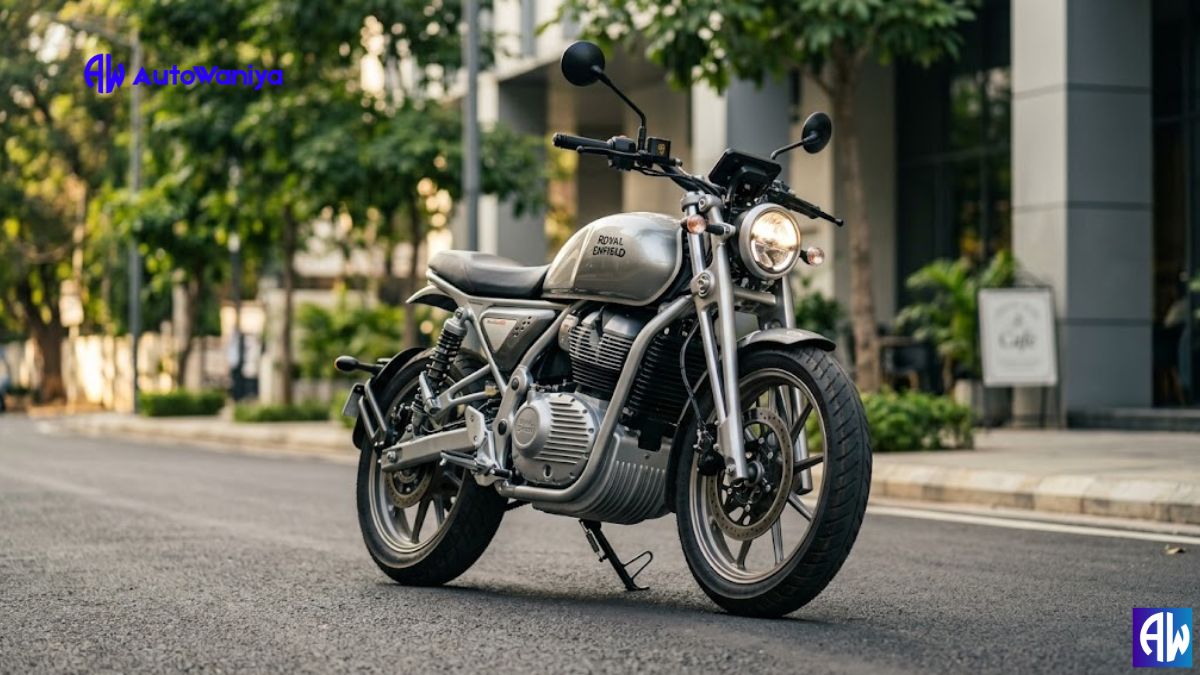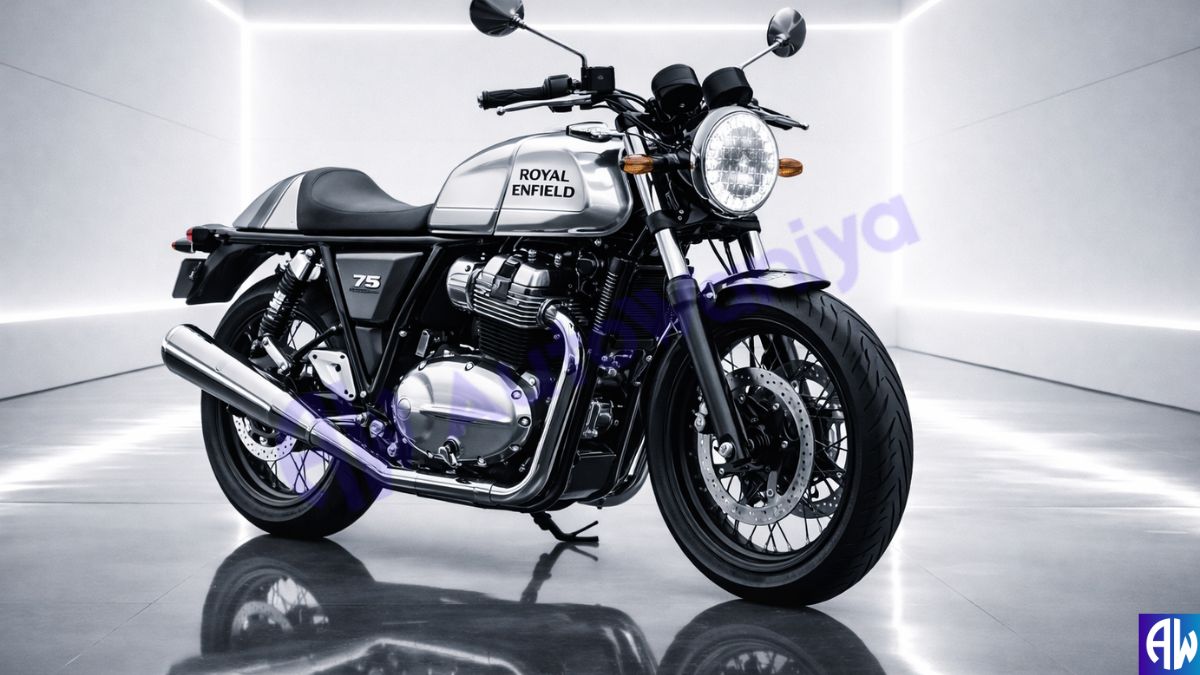
Royal Enfield is quietly preparing to expand its horizon. If current speculation holds true, the brand’s iconic café racer is about to get a significant upgrade. The rumored Royal Enfield GT 750, expected in 2026, isn’t just about adding cubic centimeters—it represents a strategic shift toward the global middleweight performance market.
Here is what we know so far about the motorcycle that could redefine the Continental GT legacy.
More Than Just a Bigger Engine
Since its debut, the 648cc parallel-twin engine has been the heart of Royal Enfield’s revival. It offered reliability, character, and approachable power. However, as rider expectations evolve, so must the machine.
The move to a 750cc platform appears to be a natural progression. Rather than chasing extreme horsepower figures, Royal Enfield is expected to focus on real-world usability. By increasing displacement, the GT 750 could deliver stronger mid-range torque, making highway overtakes smoother and long-distance touring more relaxed.
Riders can likely expect:
- Improved roll-on acceleration for highway merging
- Reduced vibration at cruising speeds
- Better performance with a passenger or luggage
The goal seems to be a motorcycle that feels effortless rather than frantic—a quality that suits the café racer ethos well.
Design: Evolution, Not Revolution
Royal Enfield understands the value of visual restraint. The Continental GT’s silhouette—defined by its kicked-up seat, sculpted 3.6-gallon fuel tank, and clip-on handlebars—has become a modern classic.
For 2026, expect refinements rather than reinvention. Subtle updates may include:
- Full LED lighting with integrated turn signals
- Premium badging and tank straps
- Improved switchgear with better tactile feedback
- New dual-tone color schemes
The peanut-style seat and rear-set footpegs will likely remain, preserving the committed riding position that purists love. Royal Enfield appears focused on polishing the details without disturbing the bike’s essential character.
Chassis and Components: Handling the Upgrade
If the engine output increases, the rolling chassis must keep pace. The current GT 650 is praised for its nimble handling, but a more powerful variant demands greater stopping power and suspension control.
Industry observers anticipate several key upgrades:
- Upside-down front forks for improved rigidity
- Revised rear shocks with adjustable preload
- Larger front brake discs paired with radial calipers
- Updated dual-channel ABS with finer calibration
These changes would not only complement the extra power but also enhance the bike’s overall composure during spirited riding. The lightweight steel tubular frame may see minor geometry tweaks to maintain the agile turn-in behavior that defines the GT experience.
Electronics: A Measured Approach
Royal Enield has traditionally favored simplicity over complexity. However, the competitive landscape in the 700–900cc segment increasingly demands modern rider aids.
The GT 750 could strike a middle ground. While a full electronics suite seems unlikely, select features may appear:
- Switchable traction control
- Ride-by-wire throttle for smoother response
- A revised analog-digital instrument cluster with smartphone connectivity
These additions would bring the motorcycle in line with Euro 5+ norms while preserving the unfiltered mechanical connection that enthusiasts value.
Where Does It Fit?
The 650 twin isn’t going anywhere. Instead, Royal Enfield appears to be building a ladder. The existing models will continue to serve new riders and budget-conscious buyers, while the 750 steps in as a premium alternative for those ready to move up.
This approach allows the brand to retain customer loyalty. Riders who fell in love with the GT 650 now have a logical upgrade path without switching to another manufacturer.
Pricing will be critical. Royal Enfield has built its reputation on accessible performance. If the GT 750 can stay within reasonable reach of its younger sibling while offering meaningful upgrades, it could dominate the mid-displacement retro segment.
Market Timing and Launch
Current estimates point to a late 2025 unveiling, with showroom arrivals in early 2026. This timeline allows Royal Enfield to fine-tune the engine for global emission standards and secure supply chains for upgraded components.
The motorcycle is expected to launch first in India, followed closely by Europe, North America, and Southeast Asia—markets where the 650 twins have already found strong footholds.
Conclusion
The Royal Enfield GT 750 (2026) carries significant promise. It represents a brand willing to grow without losing its identity. By combining increased displacement with thoughtful hardware upgrades and timeless design, Royal Enfield could deliver a motorcycle that appeals to both loyalists and new riders.
Until official details emerge, the enthusiast community will continue to watch closely. If executed well, the GT 750 may not just be another model—it could be the motorcycle that cements Royal Enfield’s place in the global performance landscape.