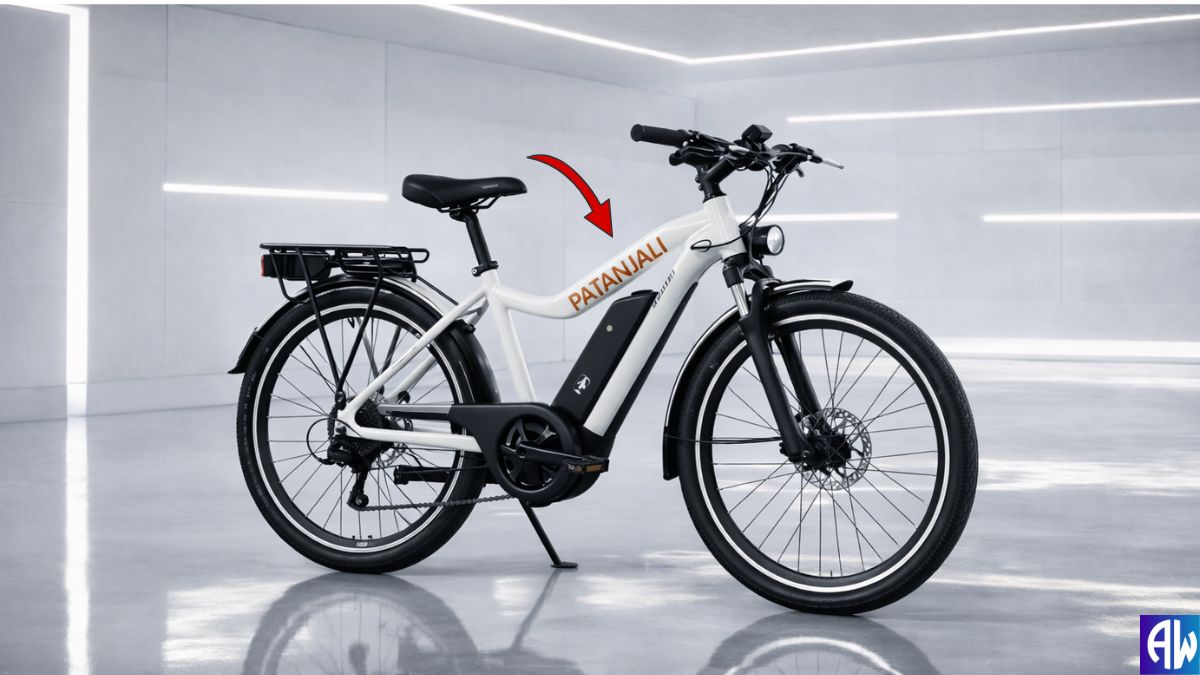
India’s electric mobility movement is expanding rapidly, and affordability remains the biggest factor for most buyers. Against this backdrop, news about the Patanjali electric cycle has attracted widespread attention.
Reports suggest that the company aims to introduce an option that dramatically lowers the cost of entry into electric commuting. If the claims about price and range turn out to be accurate, the product could reshape expectations in the budget e-cycle segment.
Here is a closer, practical look at what is being discussed, what seems promising, and what potential buyers should keep in mind.
A Product Aimed at Everyday India
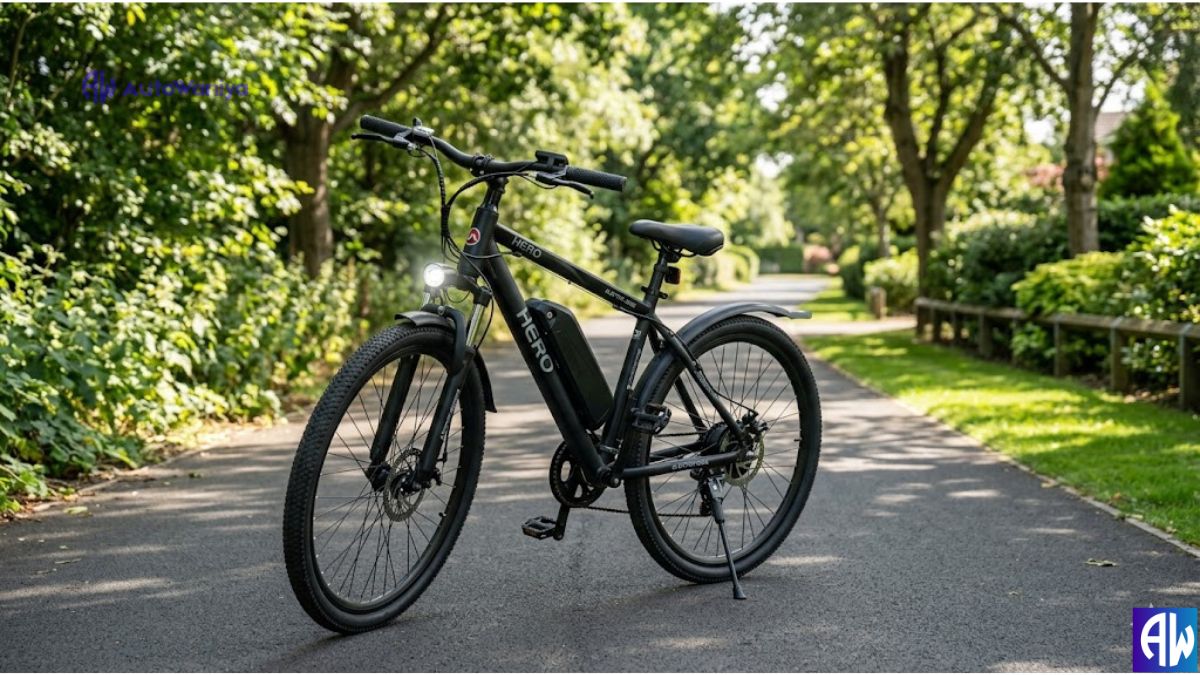
Unlike premium electric bicycles that focus on advanced styling or high performance, the Patanjali model appears targeted at daily commuters, students, and small-distance riders.
The goal seems simple: provide reliable motor assistance, reasonable range, and easy charging at a price point that more households can consider.
Reported Motor and Battery Setup
According to multiple media reports, the electric cycle may use a 250-watt brushless motor. This output is important because it generally keeps the vehicle within India’s low-speed electric cycle category, meaning easier ownership and fewer regulatory complications.
Power is expected to come from a lithium-ion battery pack, with some sources mentioning specifications around the mid-30-volt range.
While exact figures can differ between reports, the broader message is clear — the focus is on efficient urban assistance rather than high speed.
Claimed Range and What It Means
One of the most discussed figures is the possibility of up to 70–80 kilometers of riding on a single charge under ideal conditions.
If achievable in real-world usage, that range could easily cover:
- Daily office commutes
- School or college travel
- Short delivery work
- Errands around town
For many riders, this would mean charging only a few times per week.
However, actual distance always depends on rider weight, terrain, assist level, and traffic conditions.
Charging Convenience
Reports suggest the battery can be charged from a standard household power socket and may require roughly four to six hours for a full recharge.
This is consistent with most entry-level electric bicycles and keeps usage simple for people without specialized charging infrastructure.
Features Expected for Daily Use
Beyond motor and battery details, some publications mention practical additions designed to make everyday riding easier.
These may include:
- Pedal-assist modes
- Basic ride information display
- Battery level indicator
- Lighting for visibility
- Possibly a mobile charging option in certain versions
Even if the final feature list changes, the intention seems to be offering useful essentials rather than luxury extras.
The Big Talking Point: Price
What truly drives the conversation is the rumored pricing.
Several outlets mention a figure close to ₹5,000, which is dramatically lower than typical electric cycles currently sold in India. If officially confirmed, it would represent a major shift in accessibility.
At that level, electric mobility could reach many buyers who previously relied on conventional bicycles or public transport.
Still, such aggressive pricing naturally leads to questions about availability, distribution, and final specifications.
Why Buyers Should Stay Careful
While the excitement is understandable, it is equally important to recognize that much of the information circulating right now comes from early reports and secondary sources.
Until complete technical sheets, dealership details, and booking procedures are formally announced, there remains a possibility of variation in:
- Final price
- Battery capacity
- Range claims
- Feature availability
- Launch timelines
Waiting for official confirmation helps prevent misunderstandings.
Who Might Benefit Most If the Claims Hold True
If the reported figures become reality, the cycle could be especially useful for:
- Budget-focused families
- Students
- Office commuters
- Rural and semi-urban users
- Small business delivery needs
The combination of low operating cost and electric assistance could reduce dependence on fuel-powered vehicles for short distances.
Final Thoughts
The idea behind the Patanjali electric cycle is powerful — make electric commuting affordable for the masses. That vision alone explains why the launch has generated so much attention.
If the promised balance of price, range, and usability is achieved, it could open the door for many first-time electric vehicle owners.
At the same time, wise buyers should treat early numbers as preliminary and watch for official announcements before making financial decisions.
Disclaimer
This article is based on publicly available media coverage and early industry discussions at the time of writing. Final specifications, pricing, availability, and features may change once official information is released by the manufacturer or authorized sellers. Readers are advised to verify all details from official Patanjali sources before making any purchase decision.