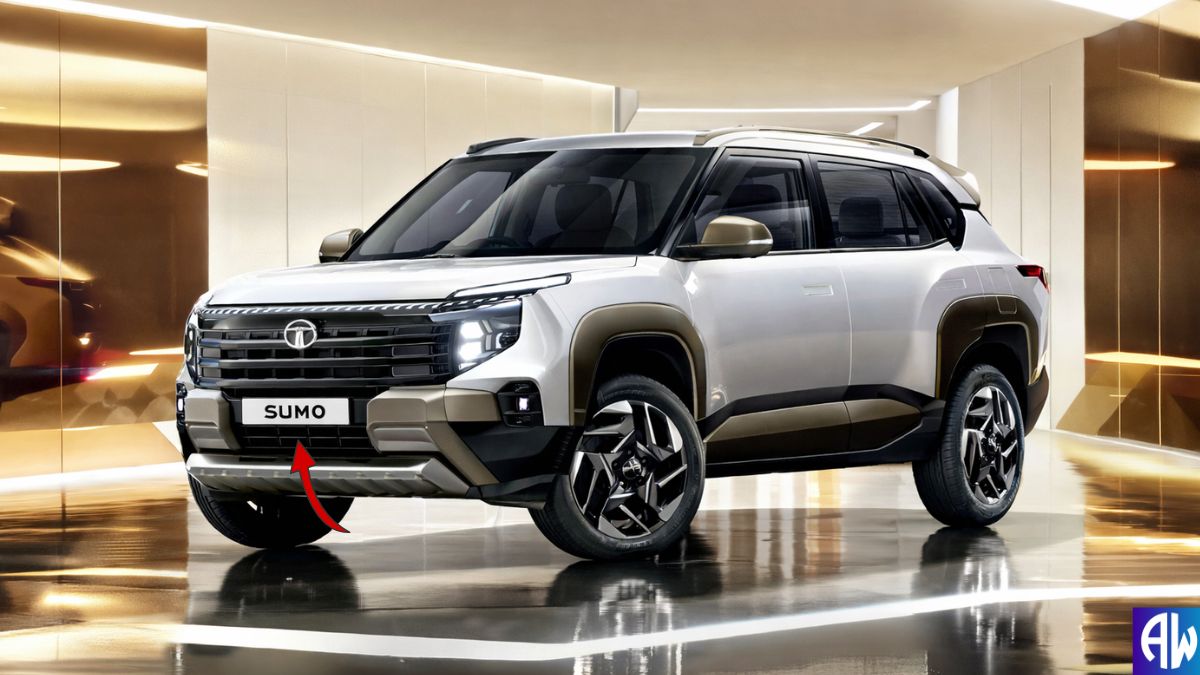
The Indian automotive industry is no stranger to revivals, but few potential comebacks have generated as much excitement as the one currently surrounding the Tata Sumo. For a generation of Indians, the Sumo wasn’t just a vehicle; it was the “King of the Highway,” the unstoppable workhorse that ferried large families, tackled rough rural roads, and built the backbone of the country’s transport network.
Now, after years of speculation, whispers from the industry have turned into a steady hum of anticipation. According to recent reports, Tata Motors is preparing to resurrect this iconic nameplate. However, the 2026 Tata Sumo won’t be a simple rehash of the past. Instead, it is rumored to be reimagined for the modern era—evolving from a bare-bones utility vehicle into a powerful, tech-enabled, and stylish 8-seater SUV designed to reclaim its throne.
Here is everything we know so far about what could be the most anticipated Indian car launch of the decade.
Design Philosophy: A Modern Take on a Rugged Icon
The original Sumo was beloved for its honest, boxy silhouette—a design that prioritized function above all else. For 2026, Tata’s design team is reportedly walking a tightrope: retaining that rugged DNA while injecting the sophistication of the brand’s modern “New Forever” design language.
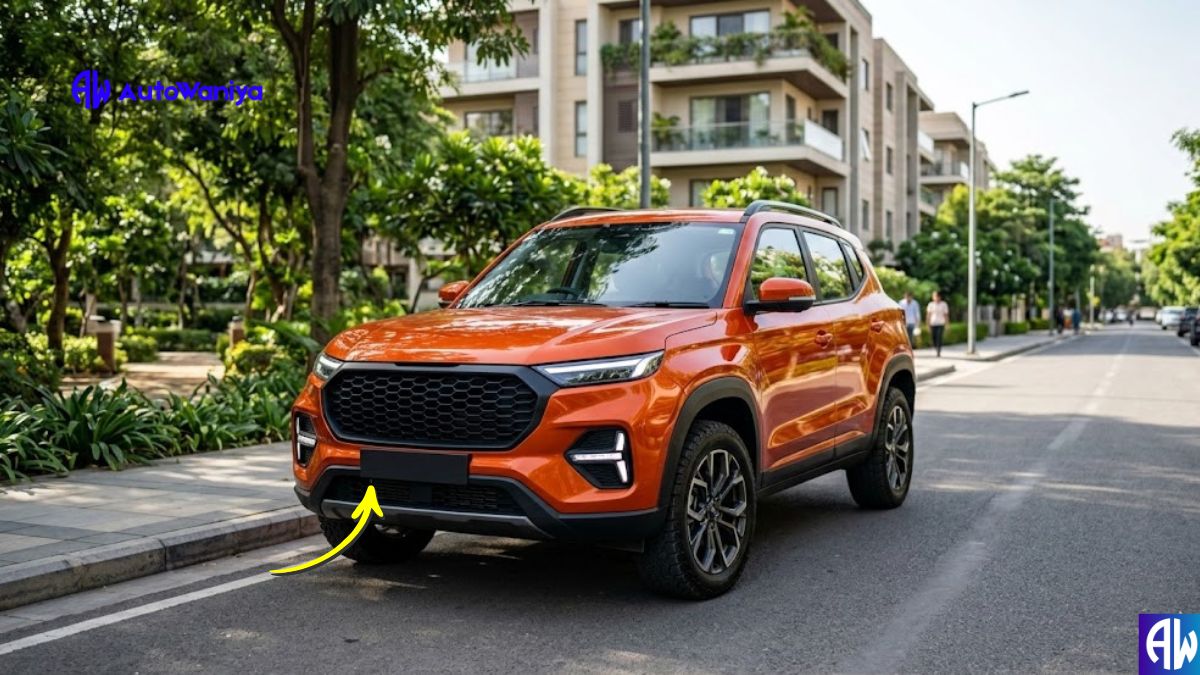
Expect a vehicle that commands attention. Spy shots and renderings circulating in the automotive community suggest a massive, imposing front grille that replaces the old utilitarian look. This will likely be flanked by sleek, LED projector headlamps and striking LED Daytime Running Lights (DRLs) that give the Sumo a wide, aggressive stance.
The side profile is expected to retain the high roofline and flat sides that made the original so spacious, but with sharper creases and sculpted body panels that catch the light. It’s a look that whispers capability while shouting modernity. This isn’t just a utility vehicle anymore; it’s a statement.
Interior and Comfort: A True 8-Seater Sanctuary
Where the new Sumo could truly disrupt the market is inside the cabin. The common complaint against many modern 7-seater SUVs is that the third row is often an afterthought—a cramped space best left for children. Tata is reportedly aiming to fix that by returning to the Sumo’s roots: genuine passenger space.
The 2026 model is being positioned as a true 8-seater, with stadium-style seating that offers ample legroom and headroom for adults in every row. This blurs the line between a traditional SUV and a Multi-Purpose Vehicle (MPV), creating a hybrid that caters to the large Indian family.
Stepping inside, the “budget” tag of the old model is likely to be a distant memory. Rumors point to a dual-tone dashboard with soft-touch materials, steering wheel-mounted controls, and a floating infotainment screen that dominates the center console. Practicality remains key, with thoughtful storage spaces, multiple USB charging ports, and dedicated rear AC vents expected to keep all passengers comfortable on long journeys.
Performance and Mileage: The Heart of a Modern Warrior
The most significant upgrade, however, lies under the hood. The old Sumo’s rugged but dated diesel engine is being retired. In its place, reports strongly suggest the new Sumo will borrow a modern, high-efficiency powerplant from Tata’s current lineup—likely the revered 2.0-litre turbo-diesel engine.
If the rumors hold true, this engine will catapult the Sumo into a new performance league. It is expected to produce a healthy 170 PS and a substantial amount of torque, ensuring that the vehicle feels effortless whether it’s fully loaded with eight passengers or cruising at highway speeds.
To cater to a wide range of buyers, Tata is expected to offer both a slick 6-speed manual transmission for driving enthusiasts and a smooth automatic transmission for those seeking urban convenience. Perhaps most impressively, despite the jump in power, the new engine is tuned for efficiency, with mileage estimates hovering around the 16 to 18 kmpl mark—a figure that would make it a very cost-effective choice for both families and fleet operators.
Technology and Safety: No Longer a Compromise
Tata Motors has made massive strides in safety and technology in recent years, and the new Sumo is expected to be a direct beneficiary of this shift. The days of the spartan commercial vehicle are over.
The 2026 Sumo is rumored to be a tech hub on wheels. The centerpiece will likely be a large, high-resolution floating touchscreen infotainment system. This system is expected to feature wireless smartphone connectivity with Android Auto and Apple CarPlay, ensuring seamless access to navigation and music.
On the safety front, which is increasingly a deciding factor for Indian car buyers, Tata is not expected to cut corners. The new Sumo is likely to be built on a robust platform designed to absorb impact. Standard safety features are expected to include dual front airbags, ABS (Anti-lock Braking System) with EBD (Electronic Brakeforce Distribution), rear parking sensors, and a reversing camera. By prioritizing safety from the base variant, Tata could give the Sumo a significant edge over its competitors.
Market Positioning: Filling the Genuine 8-Seater Gap
The Indian SUV market is fiercely competitive, but it has a glaring gap: a lack of affordable, genuine 8-seater vehicles that don’t compromise on style or safety.
Industry experts believe the new Sumo is perfectly positioned to fill this void. By leveraging its legendary status and combining it with modern engineering, Tata is aiming for a sweet spot. The expected price range of ₹9 lakh to ₹13 lakh (ex-showroom) places it in a unique intersection of the market.
At this price, it will compete with the upper variants of compact MPVs like the Maruti Suzuki Ertiga, while also offering a more modern and spacious alternative to rugged ladder-frame SUVs like the Mahindra Bolero Neo. It offers the space of an MPV with the road presence of an SUV—a combination that is hard to ignore.
Public Sentiment: The Buzz is Real
Nostalgia is a powerful force, especially in the Indian automotive world. A quick glance at social media and enthusiast forums reveals a wave of excitement. The name “Sumo” still carries immense weight, associated with reliability and no-nonsense toughness.
“If Tata gives this the build quality of the Harrier and the space of the old Sumo, they won’t be able to make enough of them,” reads one popular comment on a leading auto forum. The general sentiment is a mix of cautious optimism and genuine excitement. Fans are eager to see if Tata can capture the “soul” of the original while delivering the safety and features expected in 2026.
Launch Timeline: When Can You Book One?
As of now, Tata Motors has remained tight-lipped, offering no official confirmation regarding the vehicle’s development. However, the frequency and consistency of reports from industry insiders suggest that the project is well underway.
If the development cycle stays on track, automotive analysts predict a potential unveiling in late 2026, with a market launch possibly arriving in early 2027. This timeline would allow Tata to finalize the platform, conduct extensive testing to ensure reliability, and fine-tune the vehicle to meet the latest BS7 emission norms (when they are introduced) and stringent safety protocols.
Conclusion
The potential return of the Tata Sumo is more than just a product launch; it is the revival of a legend. By blending the rugged dependability of the original with a powerful 170 PS engine, a luxurious interior, and a strong focus on safety, Tata Motors is preparing to offer a value proposition that few can match.
Whether you need a vehicle for the daily school run, a comfortable tourer for cross-country family vacations, or a durable workhorse for a commercial fleet, the 2026 Tata Sumo is shaping up to be the versatile answer. If the rumors prove true, the “King of the Highway” is not just returning; it’s coming back to reign supreme.