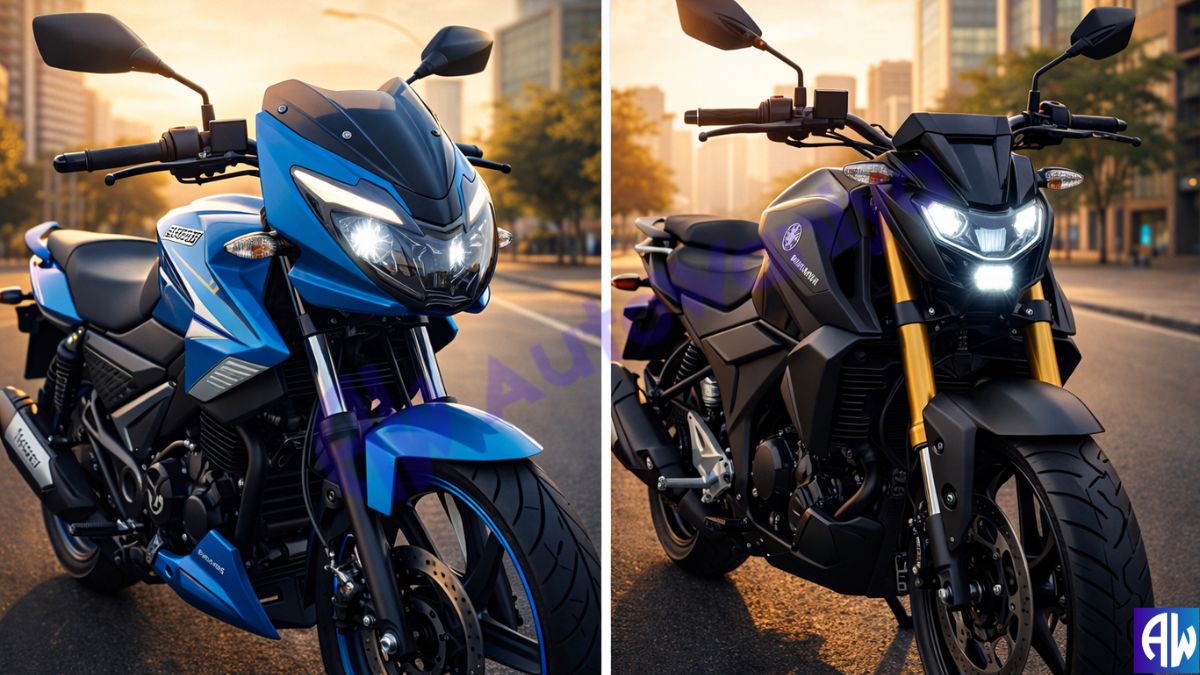
The 150cc motorcycle segment in India is a sweet spot. It offers the perfect balance of power for the enthusiast, fuel efficiency for the daily commuter, and a price tag that doesn’t break the bank. If you’re planning to buy a new bike in 2026, two names inevitably rise to the top as the most affordable and popular choices: the iconic Bajaj Pulsar 150 and the stylish Yamaha FZS.
Both bikes have a massive fan following and are known for their reliability and performance. But which one is the right fit for your needs and budget? With prices starting around ₹1.13 lakh, choosing between these two can be tough.
Don’t worry, we’ve done the homework for you. Based on the latest 2026 specifications and prices, here’s a detailed, head-to-head comparison to help you make the best decision.
Why the 150cc Segment?
Before we dive into the contenders, let’s quickly understand why 150cc bikes are so popular. They are the perfect all-rounders. They give you enough punch to feel confident on the highway, but remain light and nimble for city traffic. They also offer respectable mileage, making them a favourite among college students, young professionals, and daily office-goers alike.
Now, let’s meet the two champions.
Contender 1: The Bajaj Pulsar 150 – The Iconic Value King
The Pulsar needs no introduction. Since its launch in 2001, it has been the bike that defined the sports commuting segment for an entire generation. In 2026, it remains the go-to choice for those seeking maximum value for their money.
- Price: It is the most affordable bike in this comparison, with a starting ex-showroom price in Delhi of just ₹1,13,091. This aggressive pricing makes it incredibly accessible.
- Engine and Performance: It packs a 149.5cc, air-cooled, single-cylinder engine that produces 13.8 bhp of power and 13.25 Nm of torque. This engine is known for its strong, punchy mid-range, making city riding quite fun. It comes mated to a smooth 5-speed gearbox.
- Mileage: You can expect a very respectable 45-50 kmpl in real-world conditions, making it economical for daily use.
- Design and Features: The Pulsar’s design is timelessly sporty. Key highlights include its signature wolf-eye headlamp, a muscular fuel tank, and a useful digital-analog instrument cluster. A twin-disc variant is available for those wanting extra stopping power. It also features a large 15-litre fuel tank, perfect for long rides without frequent fill-ups.
- The Pros: Its biggest strengths are its low price, strong resale value, low maintenance costs, and robust build quality. It’s a proven, reliable workhorse.
- The Cons: The design, while iconic, can feel a bit dated compared to newer rivals. Some riders also report minor vibrations at very high speeds. Note that it does not offer ABS, relying on a disc/drum brake setup.
Contender 2: The Yamaha FZS – The Stylish Tech-Forward Contender
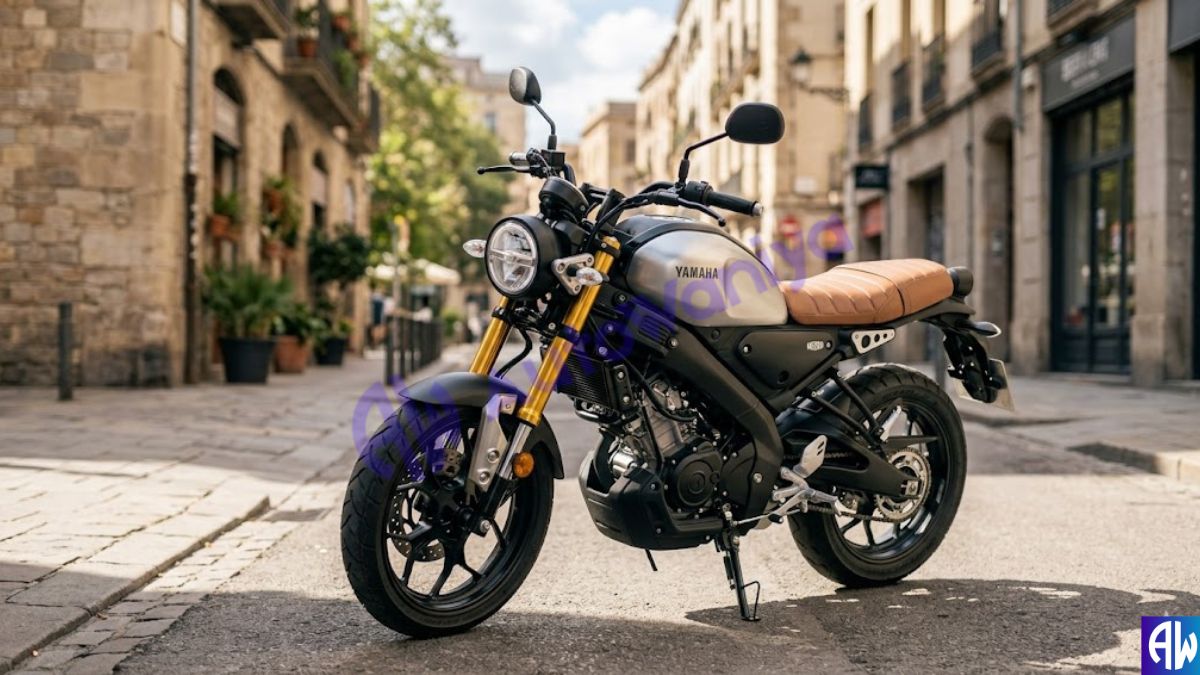
The Yamaha FZS, part of the FZ-S FI series, appeals to riders who want their bike to be a style statement. It combines a muscular street-fighter look with modern technology.
- Price: The Yamaha FZS is priced slightly higher, starting at around ₹1,20,304 (ex-showroom) for its various variants like the V3 and V4.
- Engine and Performance: It is powered by a 149cc, air-cooled, fuel-injected, single-cylinder engine. It produces 12.2 bhp and 13.3 Nm of torque. The engine is renowned for its smoothness and refinement. It also uses a 5-speed gearbox.
- Mileage: Its fuel efficiency is in the same ballpark, offering around 45-50 kmpl.
- Design and Features: This is where the FZS shines. It features a sharp, muscular design with a prominent fuel tank. It comes loaded with modern features like an LED headlight, a fully digital instrument cluster, and crucially, single-channel ABS for enhanced safety. Higher variants also offer Bluetooth connectivity for call alerts and navigation.
- The Pros: Its biggest draws are its premium styling, smooth engine, excellent handling, and modern features like ABS and connectivity.
- The Cons: The main drawbacks are its higher price and slightly lower power output compared to the Pulsar. The fuel tank is also smaller at 13 litres.
Head-to-Head: Pulsar 150 vs Yamaha FZS at a Glance
To make the comparison crystal clear, here’s a quick table of the key specs:
| Feature | Bajaj Pulsar 150 | Yamaha FZS |
|---|---|---|
| Ex-Showroom Price | ₹1,13,091 (approx) | ₹1,20,304 (approx) |
| Engine | 149.5cc, Air-Cooled | 149cc, Air-Cooled, Fuel-Injected |
| Power | 13.8 bhp | 12.2 bhp |
| Torque | 13.25 Nm | 13.3 Nm |
| Mileage | 45-50 kmpl | 45-50 kmpl |
| Key Features | Wolf-eye lamp, Large 15L tank | LED light, Digital cluster, Single-channel ABS, Bluetooth |
| Fuel Tank | 15 Litres | 13 Litres |
| Primary Strength | Value, Power, Low Cost | Style, Features, Smoothness |
The Final Verdict: Which One Should You Buy?
So, after all the number-crunching, which bike wins? The answer depends entirely on what you value most.
Choose the Bajaj Pulsar 150 if:
- Your primary concern is budget. It’s the most affordable 150cc bike you can buy.
- You want that extra bit of power and punch for your rides.
- You value low maintenance costs and a proven, decades-old track record.
- You want a large fuel tank for fewer stops at the pump.
Choose the Yamaha FZS if:
- Style and modern looks are a top priority for you.
- You want the latest technology and safety features, especially ABS and Bluetooth connectivity.
- You prioritize a smooth, refined, and vibration-free riding experience.
- You are willing to pay a little extra for a premium feel and brand value.
Both bikes are excellent in their own right. The Pulsar 150 remains the undisputed value-for-money champion, offering iconic style and solid performance at an unbeatable price. The Yamaha FZS, on the other hand, is the modern, feature-rich cruiser for the rider who wants their bike to stand out with style and tech.
The best way to decide? Head to your nearest Bajaj and Yamaha dealerships. Take both for a test ride. Feel the Pulsar’s raw power and the FZS’s smooth refinement. The bike that feels right and puts a smile on your face is the one you should take home!