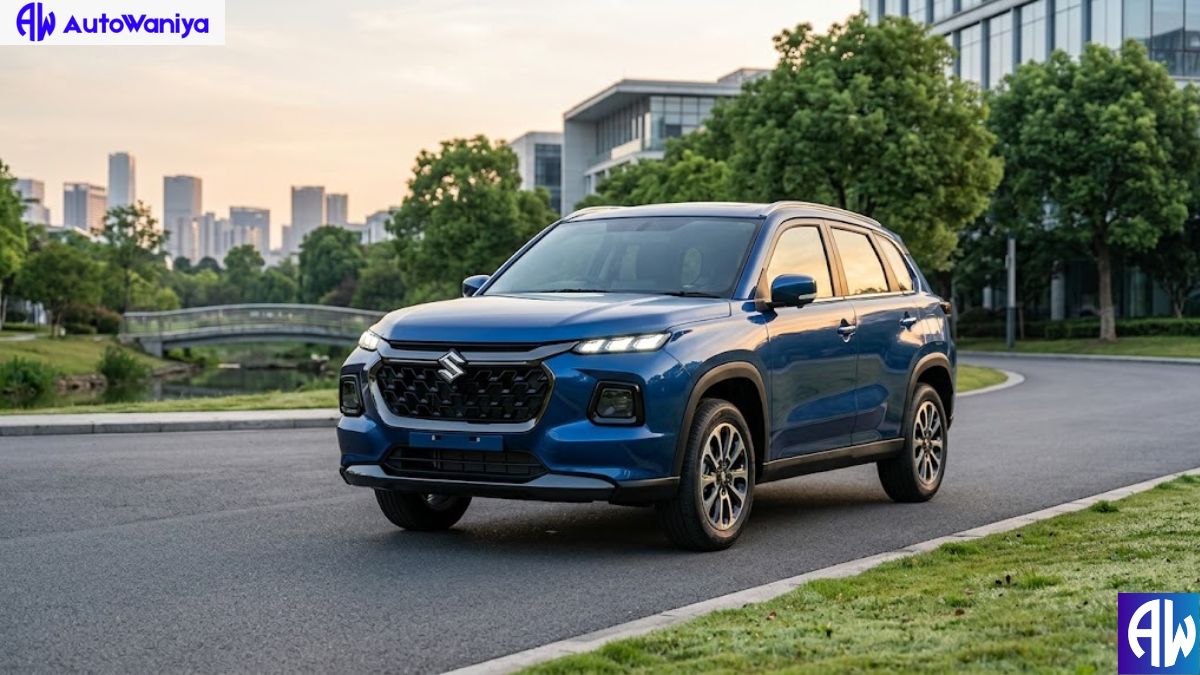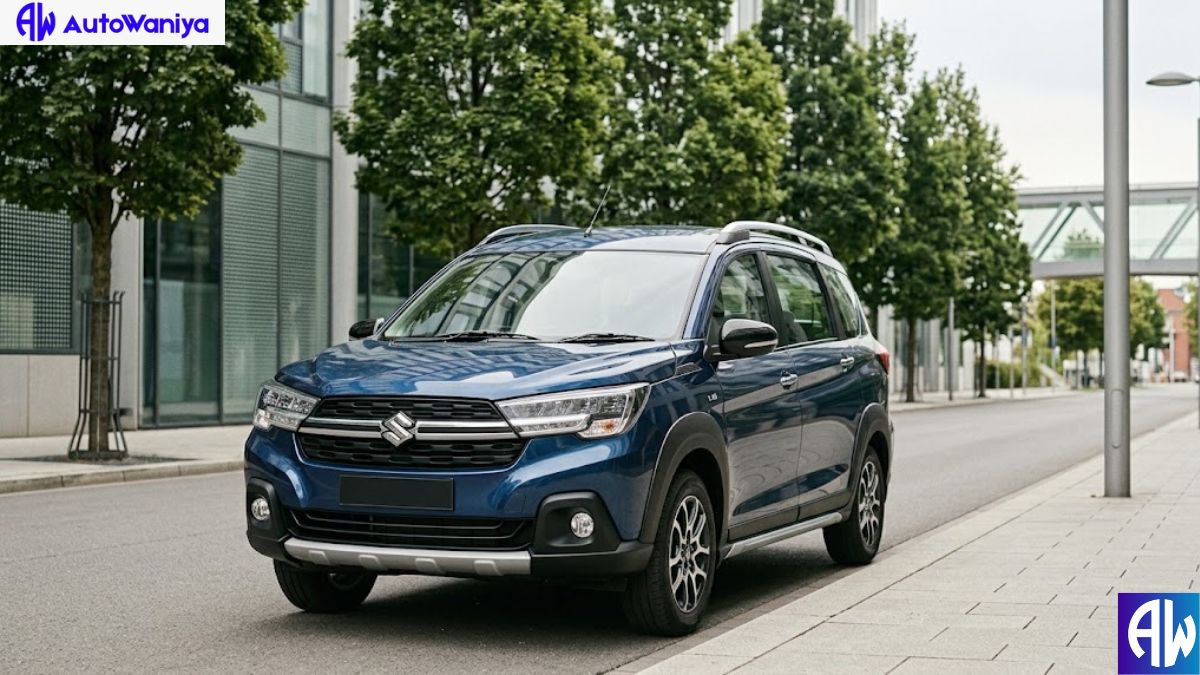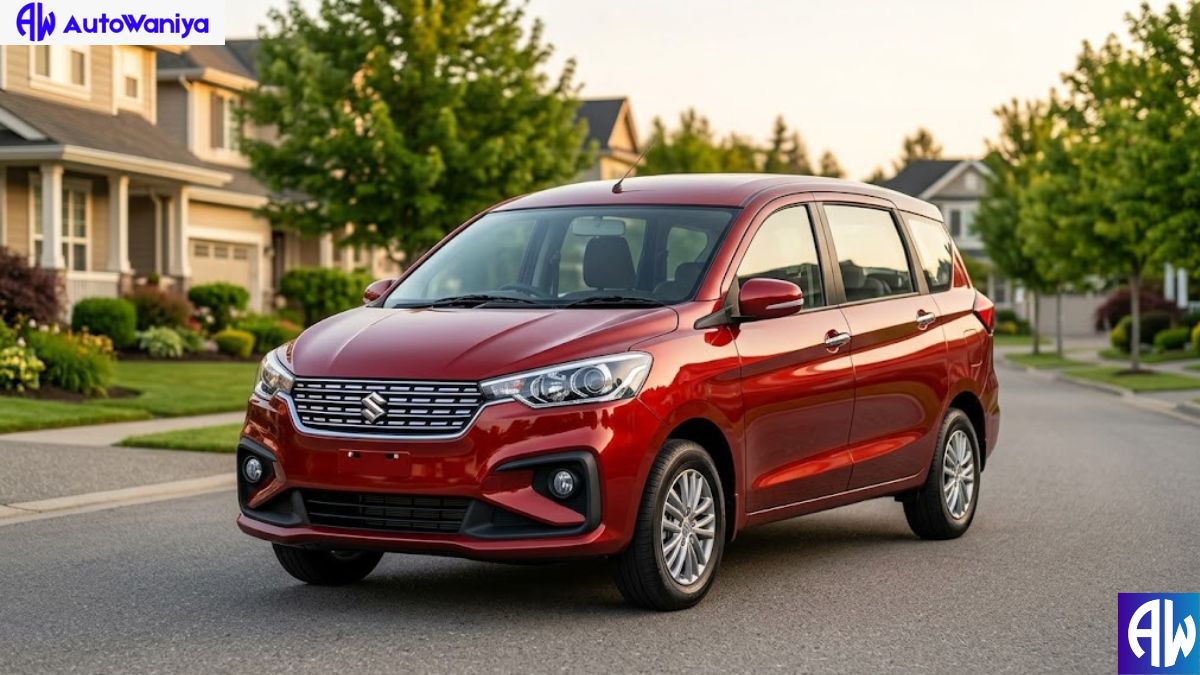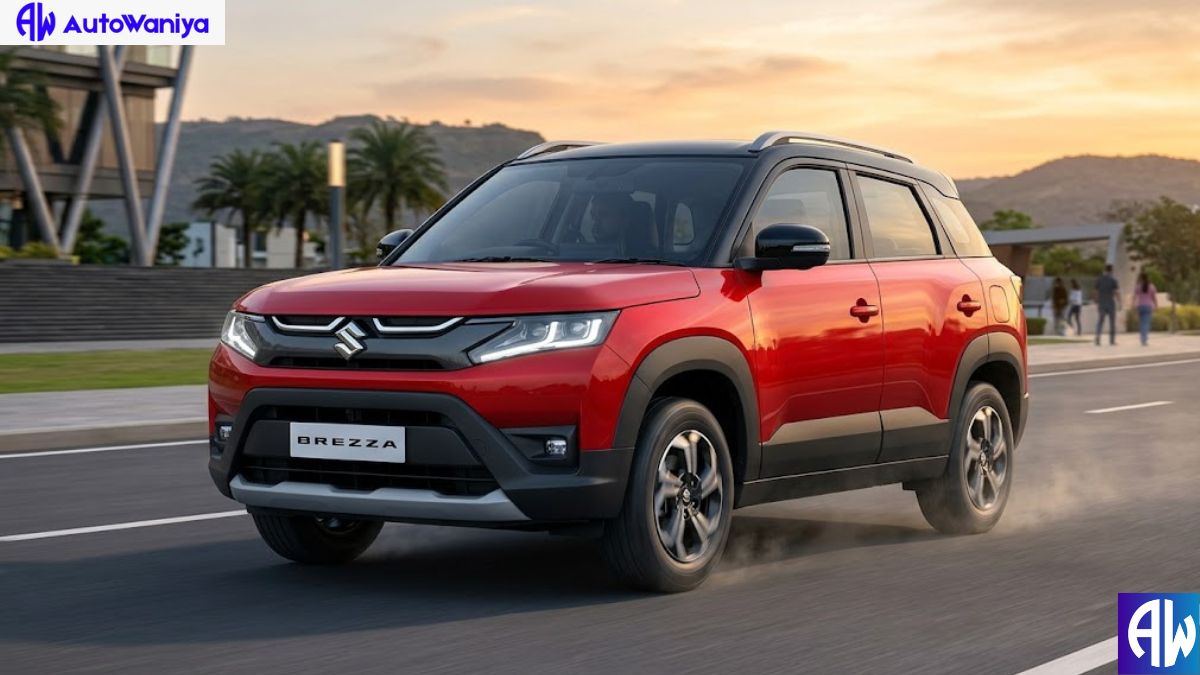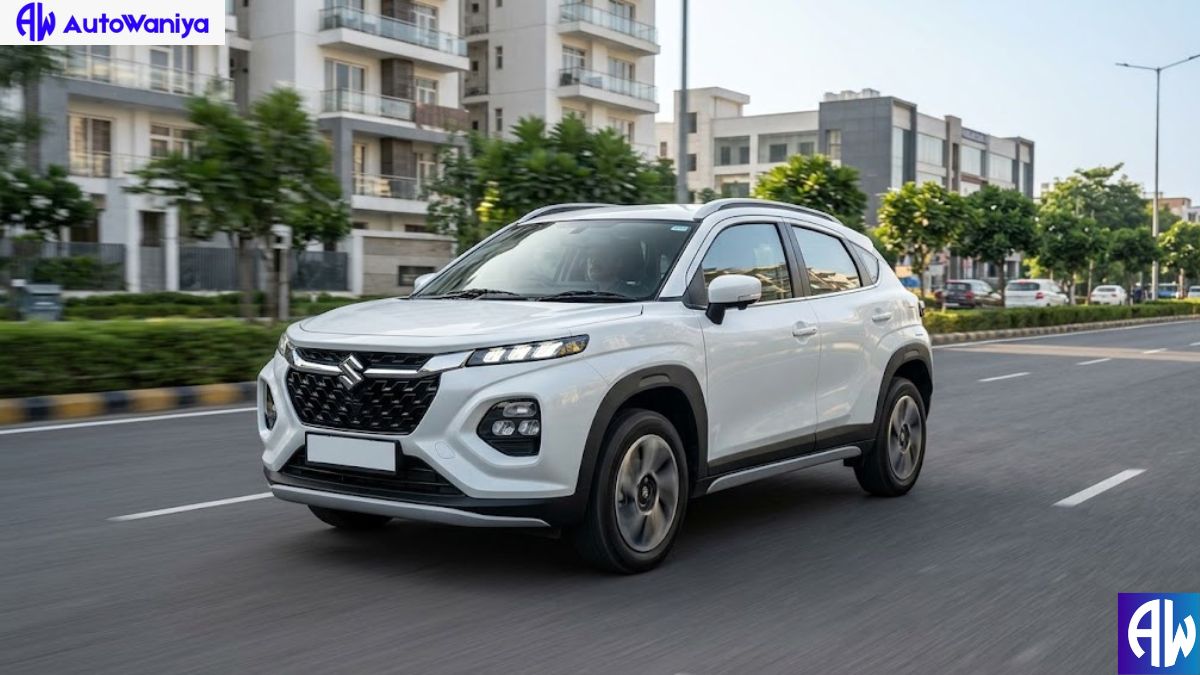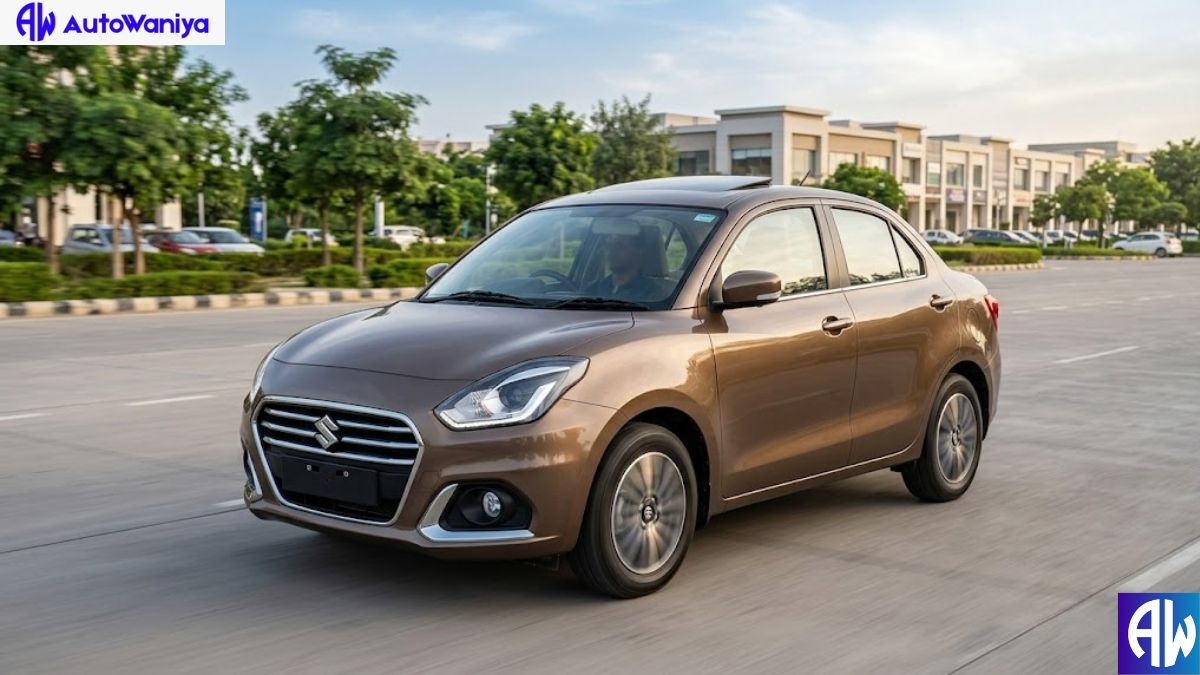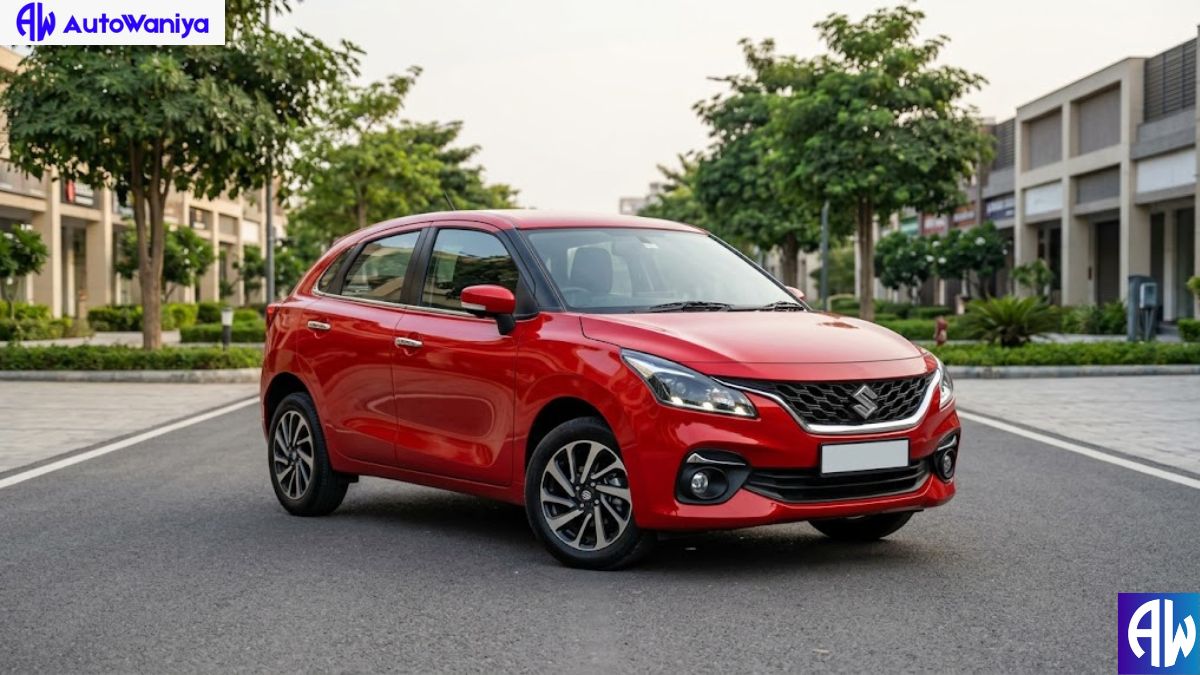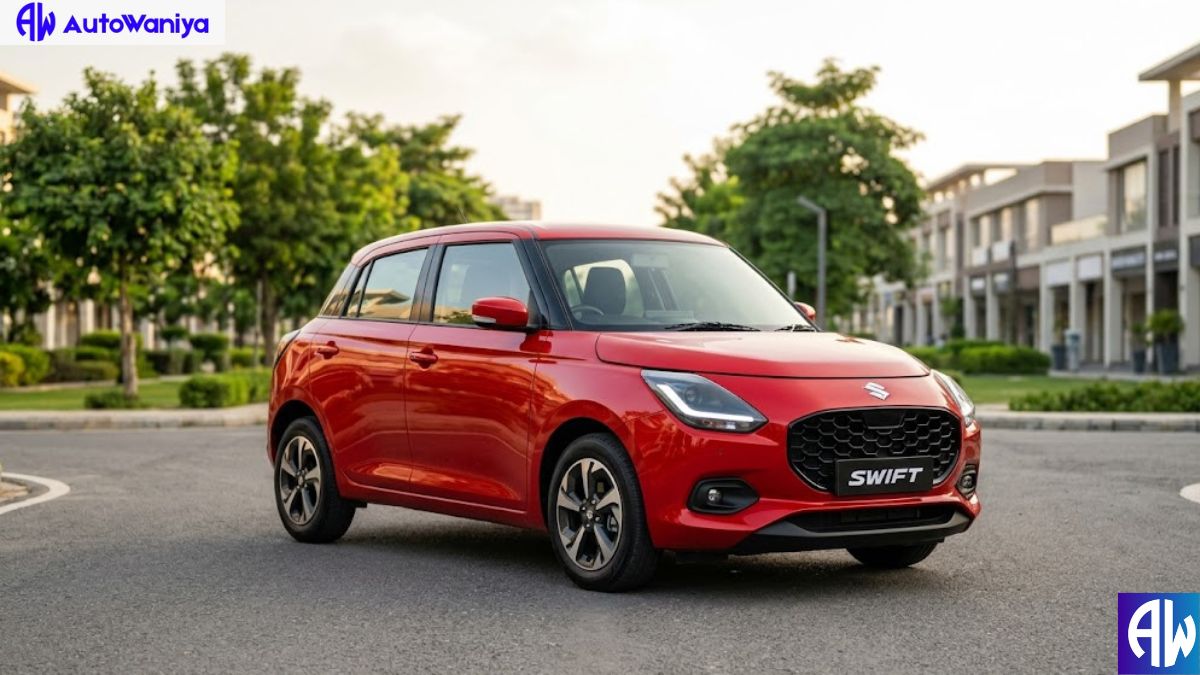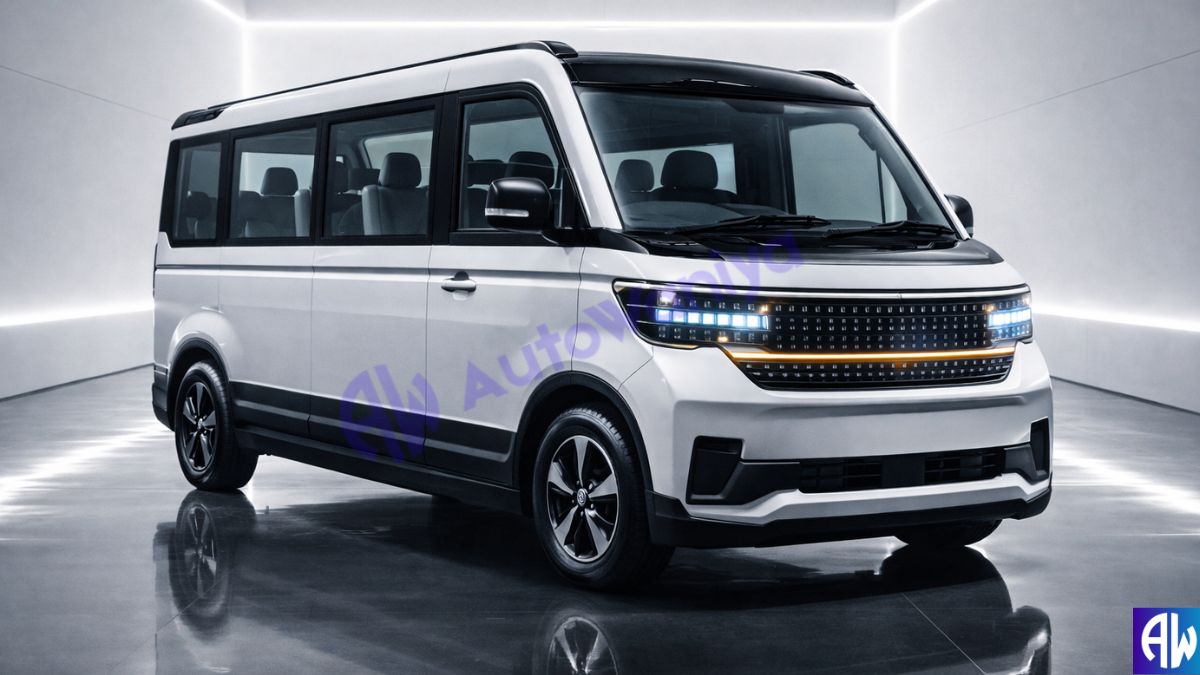
For decades, Maruti Suzuki has been synonymous with the Indian family’s first car. But beyond the gleaming hatchbacks and compact SUVs that crowd our roads, the company has quietly built a parallel empire of utility. It’s the backbone of small commerce—the vans and carriers that move people and goods in every city, town, and village. Now, whispers from the automotive market suggest Maruti is sharpening its focus on this very segment with what is being called the Maruti Suzuki Mini Bus 2026.
Early reports and dealer chatter point to a vehicle designed to be a precise surgical tool for the small business owner. We’re looking at a 13-seater commercial offering, priced aggressively around the ₹5.50 lakh mark, and built on the bedrock of Maruti’s strengths: fuel efficiency and a ubiquitous service network. But in a market where the distinction between a passenger van and a “mini bus” can be blurry, does this new model represent a genuine opportunity, or is it simply a rebadged version of an existing workhorse?
A Vehicle Built for the Narrow Lane and the Daily Ledger
The first thing that stands out about the proposed Maruti Suzuki Mini Bus is its dimensions. With a length of about 4000 mm and a width under 1.7 meters, it’s a vehicle clearly conceived for the chaotic tapestry of Indian streets. This isn’t a lumbering, intimidating bus; it’s a van that can negotiate the tight gullies of old city neighborhoods, making it perfect for school runs, staff transportation, or as a shared taxi in urban and semi-urban clusters.
The focus is squarely on practicality. The seating for up to 13 passengers is flexible enough to cater to a school’s transport needs or a tour operator looking for a budget-friendly people-mover. It taps into the massive unorganized transport sector, offering an upgrade from the overloaded auto-rickshaw or the cramped Tata Magic, but at a price point that remains accessible to a first-time commercial vehicle buyer.
Under the Skin: The 1.5-Litre Workhorse
Powering this mini bus is expected to be Maruti’s reliable 1.5-litre petrol engine, a unit already proven in its passenger cars like the Ertiga and Ciaz. In this application, tuned for commercial duty, it produces a modest 77 bhp and a healthy 130 Nm of torque. These figures aren’t about speed; they’re about moving a full load of passengers with reasonable composure, both in stop-start city traffic and on the highway.
The real masterstroke, however, is the availability of a factory-fitted CNG option. For a commercial operator, the purchase price is just the entry fee. The cost of running the vehicle every single day is what determines profitability. The claimed fuel economy figures—16 to 18 km/l for petrol and an impressive 24 to 26 km/kg for CNG—are the numbers that will make small business owners sit up and take notice. This efficiency directly translates to a healthier bottom line at the end of every month.
Safety and Comfort: Not an Afterthought
For years, commercial vehicles in this segment were purely utilitarian, often skimping on safety and comfort. The 2026 landscape, however, demands more. The reported inclusion of dual airbags, ABS with EBD, and rear parking sensors suggests Maruti is bringing passenger car safety thinking into the commercial space. For school owners and fleet operators, this is a significant checklist item, offering peace of mind and a stronger value proposition to parents or clients.
Passenger comfort also gets a nod. Features like standard air conditioning, power steering for the driver, and comfortable seats with good visibility through large windows are crucial for vehicles that may spend hours on the road. Top-end variants are even rumored to include a touchscreen infotainment system with USB charging—a small touch that acknowledges today’s connected passenger, even on a short shared ride.
The Price Proposition: Decoding the Value
The reported price, starting around ₹5.50 lakh and extending to about ₹8.50 lakh for top variants, is where the Maruti Suzuki Mini Bus aims to deliver its knockout punch. This positioning directly challenges the established players in the small commercial passenger segment, like the Tata Winger and Force Traveller.
However, Maruti’s trump card isn’t just the initial price; it’s the total cost of ownership. The extensive service network means a mechanic and spare parts are never too far away, minimizing costly downtime. The high fuel efficiency, especially on CNG, reduces daily running costs. For a small entrepreneur running a school bus or a tourist shuttle, these factors—reliability, low maintenance, and fuel savings—often outweigh a slightly lower price tag from a competitor with less reach.
The Road Ahead for Maruti’s People Mover
The introduction of a dedicated 13-seater mini bus would be a strategic move by Maruti Suzuki to consolidate its leadership in the overall commercial vehicle space. It fills a niche between its smaller passenger vans and the larger vehicles from competitors. The success of this model, however, will hinge on execution.
The company will need to ensure that the vehicle is marketed not just as a vehicle, but as a business solution. Financing options, fleet discounts, and robust after-sales support tailored for commercial operators will be key. If Maruti can deliver on the promise of a durable, efficient, and low-maintenance people mover at this price point, the Maruti Suzuki Mini Bus 2026 could become as common a sight on our roads as the Alto or the Swift, quietly powering the ambitions of thousands of small businesses.