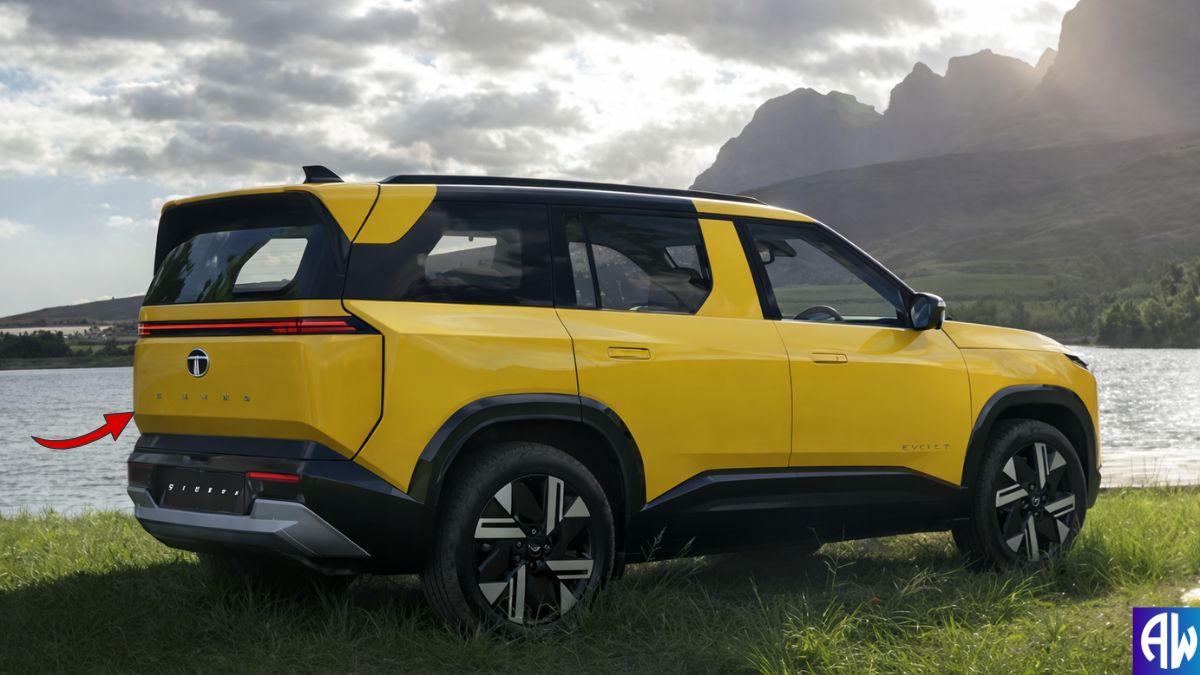
The curved glass is back, the stance is more aggressive than ever, and the nostalgia is hitting an all-time high. Tata Motors has finally pulled the curtain back on the 2026 Sierra, a vehicle that doesn’t just aim to be a car, but a cultural phenomenon on wheels.
For the Indian automotive enthusiast, the word “Sierra” carries a weight that modern monikers like Harrier or Safari are still trying to earn. Launched originally in the early 90s, the Sierra was a vehicle ahead of its time—a three-door SUV with a wrap-around rear glass that looked like it belonged in a NASA hangar. Decades later, Tata Motors has officially resurrected this legend for 2026, targeting a new generation of buyers who crave soul as much as they crave tech.
The revival of the Sierra is not just a marketing gimmick; it is a strategic masterstroke designed to bridge the gap between Tata’s rugged heritage and its futuristic electric ambitions. By blending the iconic silhouette of the original with the sophisticated ARGOS architecture, Tata is making a loud statement: the king of the highway has returned to reclaim his crown.
A Design Language That Speaks to Two Generations
Walking up to the 2026 Tata Sierra, the first thing that strikes you is the “Signature Sierra Silhouette.” The designers have meticulously preserved the high-set rear glass that defined the original, but they’ve modernized it with seamless, flush-fitting panels. It no longer looks like a boxy off-roader; it looks like a high-end luxury lounge that happens to have 205mm of ground clearance.
The front fascia is a masterclass in minimalism. Gone are the cluttered grilles of the past, replaced by a “pixelated” LED light bar that spans the entire width of the car. These lights don’t just illuminate the road; they perform a digital “welcome dance” every time you unlock the vehicle. It’s a small detail, but in the world of premium SUVs, these emotional touches are what separate the winners from the also-rans.
Moving to the side, the Sierra’s profile remains its most distinguishing feature. The large glass house isn’t just for show—it provides a panoramic view for rear passengers that is unmatched by any sub-4-meter or mid-size SUV currently on sale. It creates an airy, “aquarium-like” cabin feel that makes even the most congested city traffic feel less claustrophobic.
Step Inside: The “TheatrePro” Dashboard
If the exterior is about nostalgia, the interior is pure science fiction. Tata has moved away from the traditional “car cabin” philosophy to what they call the “TheatrePro” layout. The 2026 Sierra features a clutter-free dashboard dominated by a massive triple-screen setup. A 12.3-inch central infotainment system is flanked by a 10.25-inch digital instrument cluster and a dedicated display for the front passenger.
However, the real magic happens in the back. Because the Sierra was always about that rear glass, Tata has optimized the rear bench for maximum luxury. The legroom is segment-leading (900mm in the second row), and the materials used are a far cry from the utilitarian plastics of the 90s. Soft-touch fabrics, recycled sustainable materials, and “warm” ambient lighting create a space that feels more like a high-end living room than a vehicle interior.
Connectivity is handled by the latest iteration of the iRA platform, allowing for seamless integration with smartwatches and smartphones. Whether it’s pre-cooling the cabin during a sweltering Delhi summer or checking the vehicle’s health from your office desk, the Sierra is as “connected” as a car can get in 2026.
Under the Hood: Power Meets Precision
Tata Motors isn’t just relying on looks to sell the Sierra; they’ve backed it up with a versatile range of powertrains. For the traditionalists, the 1.5L Kryojet Diesel engine remains the workhorse, offering 118 PS of power and up to 280 Nm of torque in the automatic avatar. This engine is specifically tuned for those long-distance highway cruises where torque and fuel efficiency are the only things that matter.
For the performance seekers, the new 1.5L TGDi Hyperion Petrol engine is the star of the show. Churning out a healthy 160 PS, this engine turns the Sierra into a surprisingly agile beast. When paired with the 6-speed automatic transmission, the gear shifts are nearly imperceptible, providing a driving experience that rivals European luxury brands.
Perhaps the most talked-about figure is the claimed mileage. While real-world figures hover around 15.5 kmpl for the diesel, Tata has teased an ARAI-certified figure of 29.9 kmpl for specific high-efficiency variants, likely aided by hybrid technology or the upcoming EV’s influence on the platform’s overall efficiency.
Safety as a Standard, Not an Option
Tata has built its modern reputation on safety, and the 2026 Sierra is the new gold standard for the brand. Built on the 5-star GNCAP-ready ARGOS architecture, the vehicle comes standard with six airbags and Electronic Stability Program (ESP). But the real “safety net” is the Level 2 ADAS (Advanced Driver Assistance Systems) suite.
With 22 intelligent features including Adaptive Cruise Control, Autonomous Emergency Braking, and Lane Keep Assist, the Sierra is designed to intervene before an accident even occurs. During testing, the ADAS calibration felt remarkably well-suited for Indian road conditions—avoiding the “over-sensitivity” that often plagues imported safety systems.
The inclusion of a 360-degree high-definition camera system also makes maneuvering this imposing SUV through tight parking spots a breeze. It’s clear that Tata has listened to customer feedback, ensuring that while the car is big on the outside, it remains manageable and safe for every type of driver.
The Fan Factor: More Than Just a Sale
The social media reaction to the Sierra’s launch has been nothing short of electric. For many middle-aged Indians, the Sierra represents the first aspirational car they ever saw. “My father had an original Sierra, and I’ve been waiting twenty years to buy the new one,” reads a top comment on a popular automotive forum. This emotional baggage is a double-edged sword: the expectations are sky-high.
Industry analysts suggest that the Sierra will likely cannibalize some sales from Tata’s own Safari and Harrier. However, the unique form factor positions it as a lifestyle choice rather than just a utility purchase. It appeals to the buyer who wants to stand out from the sea of Cretas and Seltos that currently dominate Indian roads.
What Happens Next? The Road to 2027
While the ICE (Internal Combustion Engine) variants are already hitting showrooms with an aggressive starting price of ₹11.49 Lakh, the eyes of the industry are on the upcoming Sierra EV. Scheduled for a Q2 FY2026-27 release, the electric version is expected to offer a range of nearly 500-600 km, potentially making it the first “no-compromise” electric SUV for the Indian masses.
The success of the Sierra will determine Tata’s trajectory for the next decade. If the Sierra manages to sustain its initial hype, it will solidify Tata’s position as the undisputed leader of the “Premium-Desi” SUV segment. It sets the stage for a massive showdown later this year when the new Renault Duster and the Mahindra XUV.e8 are also expected to join the fray.
A Masterclass in Modern Nostalgia
The 2026 Tata Sierra is a rare example of a manufacturer getting a “reboot” right. It doesn’t just lean on its name; it offers a compelling package of safety, technology, and sheer road presence. While the mid-size SUV segment is more competitive than ever, the Sierra has one thing the others don’t: a soul.
For the buyer who wants a vehicle that tells a story, the Sierra is currently in a league of its own. It’s a bold, beautiful, and unapologetically Indian SUV that proves you can move forward without forgetting where you came from.