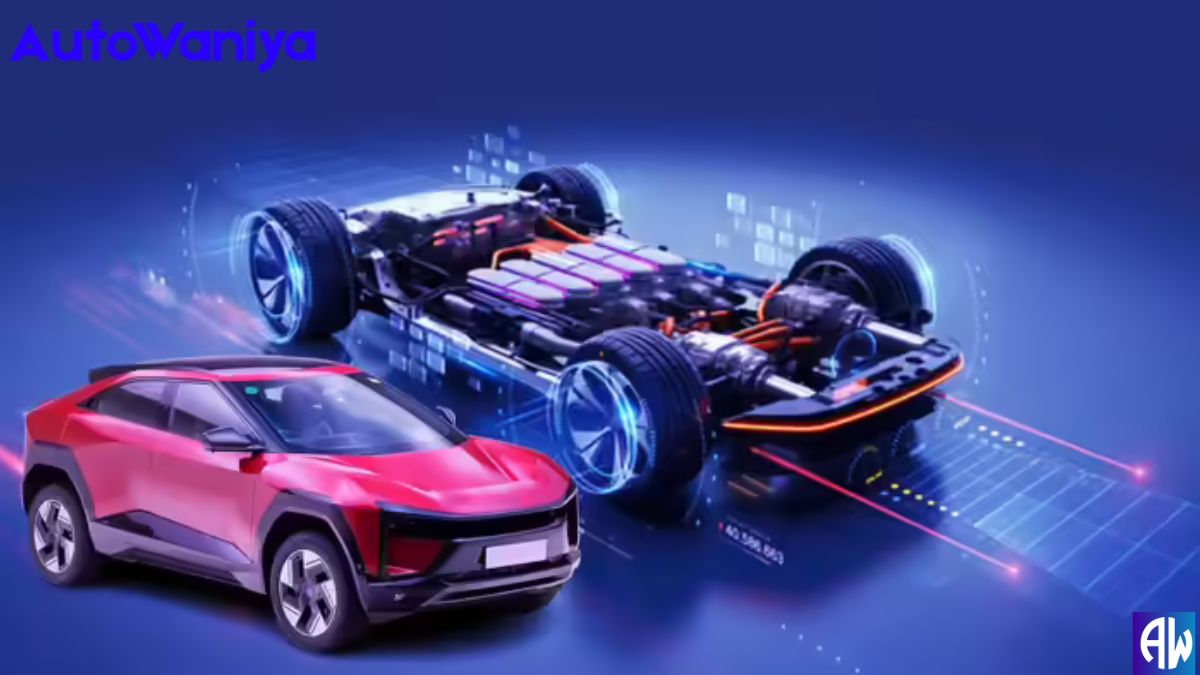
India’s electric vehicle revolution is not only about launching new cars and scooters. The real transformation is happening behind the scenes — in battery technology, raw materials, and local manufacturing.
One of the most talked-about developments right now is Himadri Speciality Chemicals’ plan to enter the lithium iron phosphate (LFP) battery material segment. If the project moves forward as expected, it could influence EV prices, supply stability, and India’s position in the global battery market.
Here’s a simple breakdown of why industry experts are watching this move very closely.
Reason 1: LFP Batteries Are Becoming the Preferred Choice
Lithium iron phosphate chemistry has gained strong popularity worldwide. Many manufacturers prefer it because it offers:
- High thermal stability
- Longer usable life
- Competitive cost
- Reduced reliance on expensive metals such as nickel and cobalt
For mass-market electric vehicles, this balance of safety and affordability makes LFP extremely practical.
Reason 2: A Step Toward Local Manufacturing
India currently imports a significant share of advanced battery materials. Domestic production could help reduce that dependence.
Himadri’s proposal to build an LFP cathode facility in Odisha represents a push toward local value creation, which is essential if India wants to compete with established global suppliers.
Reason 3: Potential Impact on EV Pricing
Battery packs account for a large percentage of an EV’s total cost. If materials are produced within the country, manufacturers may save on imports, logistics, and currency fluctuations.
While price reductions are never guaranteed, improved cost efficiency in the supply chain can create room for more competitive pricing in the future.
Reason 4: Stronger Supply Chain Reliability
Global events in recent years have shown how fragile international supply networks can be. Having domestic sources for key battery components may help automakers plan production with greater confidence.
This can ultimately benefit customers through better availability of vehicles and parts.
Reason 5: Positioning India in the Global EV Ecosystem
If Himadri succeeds in supplying international battery makers, it would mark an important milestone. India would not just be a buyer of technology but also a contributor to the worldwide electric mobility market.
Such developments can attract further investments, partnerships, and innovation.
What This Means for Everyday Buyers
Although this is an industrial story, its long-term outcomes could influence consumers in several ways:
- More stable EV launches
- Expanding model choices
- Better long-term confidence in battery durability
- Gradual improvement in cost competitiveness
The benefits may appear over time rather than immediately.
Industry Outlook
Government policies, private investment, and rapid adoption of electric mobility are creating momentum. However, real independence in EV manufacturing will depend on mastering battery materials.
Projects like this are seen as foundational steps toward that goal.
Conclusion
Himadri Speciality Chemicals’ interest in lithium iron phosphate production highlights a deeper shift in India’s EV strategy. Instead of relying primarily on imports, the focus is moving toward building capabilities at home.
If execution matches ambition, this initiative could play a meaningful role in shaping the next phase of electric mobility in the country.
Disclaimer
This article is based on publicly available news reports, company statements, and industry discussions. Plans, investments, capacities, timelines, and potential impacts may change in the future. Readers should consult official announcements and verified sources before making business or investment decisions.