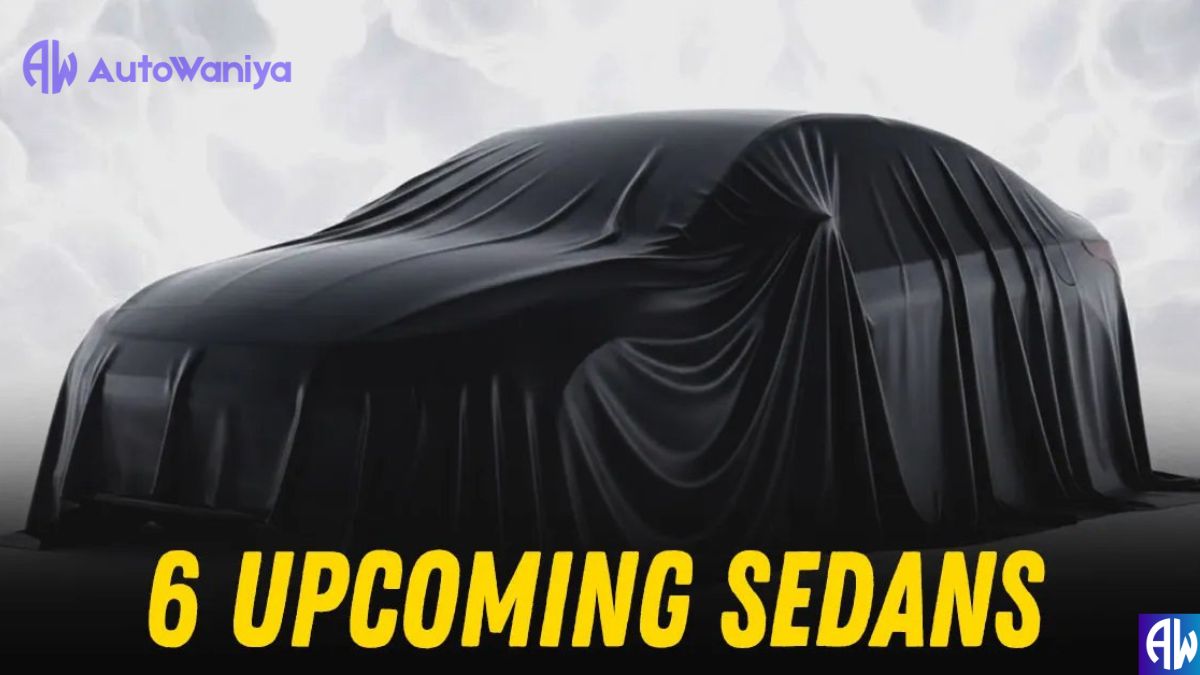
The sedan is dead? Don’t tell that to Honda, Skoda, Hyundai, or Volkswagen. While the Indian market remains hopelessly in love with SUVs, a quiet revolution is brewing in the three-box segment. 2026 isn’t just another year for sedans—it’s a full-blown offensive. From comprehensive facelifts of India’s most beloved family haulers to the sensational return of diesel power in premium European attire, the coming months promise to reignite the passion for low-slung elegance. Here’s your front-row seat to the six most exciting sedans heading to a dealership near you.
Why the Sedan Still Matters in an SUV-Crazed World
Let’s be honest: walk into any multi-brand showroom today, and you’ll be buried under an avalanche of compact SUVs and mid-size crossovers. They’re tall, they’re bulky, and they’re everywhere. But ask any seasoned driver who actually enjoys being behind the wheel, and they’ll whisper a secret: nothing carves a highway like a proper sedan.
The lower centre of gravity, the confidence through a sweeping curve, the way the boot flows seamlessly from the cabin—these are sensations an SUV, for all its practicality, simply cannot replicate. Sedans offer better ride quality, sharper handling, and a connection to the road that feels increasingly rare. And thankfully, after years of playing second fiddle, carmakers haven’t forgotten. 2026 is shaping up to be the year the sedan fights back, and it’s bringing serious artillery.
Honda City Facelift: The People’s Monarch Gets a Type R Attitude
You can’t talk about Indian sedans without starting with the Honda City. It’s more than a car; it’s a family heirloom for millions. For over two decades, the City has been the benchmark for refinement, space, and that intangible sense of achievement that comes with owning one. Later this year, the fifth-generation City is receiving a mid-cycle refresh designed to keep it relevant until an all-new model arrives in 2028 .
Here’s where it gets interesting: the design inspiration for this facelift comes from the fire-breathing Civic Type R. Yes, the sensible, trusted City is getting a shot of aggression. Expect a front fascia with sharper lines, a restyled grille, and a sportier stance that borrows from its hot-blooded cousin. It’s a brilliant move—giving the mature sedan a dash of rebellious flair without alienating its core audience.
Inside, Honda is addressing a long-standing feature gap. A 360-degree camera is likely to join the party, a godsend for navigating cramped city streets and tight parking spots. Mechanically, the City plays it smart. The bulletproof 1.5-litre i-VTEC petrol engine (121 bhp) will continue, paired with either a six-speed manual or a buttery-smooth CVT automatic. The brilliant City e:HEV hybrid will also receive the same cosmetic updates, continuing its reign as the fuel-sipping luxury choice for the eco-conscious buyer.
Skoda Slavia Facelift: Czech Elegance, Sharper Than Ever
The Skoda Slavia brought a distinct European charm to the segment—solid, well-built, and genuinely engaging to drive. For 2026, it’s getting a comprehensive makeover, likely timed around the festive season to capture maximum attention.
Spy shots and industry whispers point to significant styling upgrades. We’re talking a revised grille, new front and rear bumpers, sleeker headlamps, redesigned tail lamps, and fresh alloy wheel designs. The goal is clear: keep the Slavia looking fresh and competitive against its Japanese and Korean rivals.
Step inside, and you can expect higher-quality trim materials and perhaps a few extra connected features. But the real story lies in the transmission. While the engines remain the punchy 1.0-litre TSI and 1.5-litre TSI turbo-petrol units, the 1.0-litre variants are set to swap their current six-speed automatic for a more refined eight-speed torque converter. This means smoother city drives and more relaxed highway cruising—exactly what Slavia buyers want.
Volkswagen Virtus Facelift: German Muscle Gains a Sunroof
The Volkswagen Virtus, the Slavia’s German twin, has carved its own fan following with muscular design and strong road presence. It’s been a consistent performer, and Volkswagen isn’t slowing down.
The Virtus facelift, arriving in the coming months, will mirror the Slavia’s updates closely—expect cosmetic tweaks to the front and rear to keep the design language fresh. But Volkswagen is adding its own ace: a panoramic sunroof.
Indian buyers have an almost insatiable appetite for glass roofs, and the Virtus has finally obliged. This addition will flood the cabin with light and air, addressing a key differentiator where some rivals already had an edge. Like the Slavia, the Virtus will retain its engine options but upgrade the 1.0-litre TSI’s automatic to the new eight-speed unit, making it an even more compelling urban warrior.
Hyundai Verna Facelift: Sensuous Sportiness, Now With Hybrid Power
The current Hyundai Verna turned heads with its parametric design and segment-first tech. Now, it’s gearing up for a mid-life update that promises to keep the momentum roaring. Spotted multiple times during testing, the facelifted Verna is expected to borrow styling cues from the larger, eighth-generation Sonata sold globally.
This means an even more dramatic front end, likely with Hyundai’s signature parametric jewel grille and more integrated LED lighting. The interior should see updates too, including a new steering wheel, upgraded upholstery, and possibly a few extra connected car features.
But here’s the headline-grabber: the Verna facelift could debut a 1.5-litre strong hybrid petrol engine. If launched, this would make the Verna a compelling alternative for buyers seeking class-leading fuel efficiency without moving to a diesel or a smaller turbo-petrol. It would join the existing 1.5-litre naturally aspirated and 1.5-litre turbocharged options, giving Hyundai a powerful and eco-friendly trifecta in the C-segment.
The Diesel Shockwave: Skoda Superb and Octavia Return
Now, here’s the plot twist that has enthusiast forums buzzing with excitement. Just when we thought diesel was breathing its last in the passenger car segment, Skoda is planning a glorious, torque-filled comeback. Later this year, the brand is expected to launch the Superb diesel 4×4 in India as a Completely Built Unit (CBU) import.
This isn’t your average diesel. It’s a 2.0-litre TDI engine producing 185 bhp and a mammoth 320 Nm of torque, paired with an all-wheel-drive (AWD) system. Spotted testing on Indian roads and previously showcased at the Bharat Mobility Expo, this Superb is aimed squarely at the discerning buyer who wants luxury, long-distance touring capability, and the effortless surge of a modern diesel.
And it doesn’t stop there. There’s a strong possibility that the Octavia diesel might also make a comeback. This would feature a 2.0-litre diesel engine tuned for 148 bhp and a substantial 340 Nm, mated to a seven-speed DSG gearbox. Visually identical to the model sold in the UK, the Octavia diesel would cater to the enthusiast who wants driving pleasure wrapped in a practical, elegant, and now diesel-hearted package.
Expert Take: Why 2026 is a Watershed Year for Sedans
This sudden flurry of activity isn’t random. Carmakers have finally acknowledged that while SUVs dominate the volume game, there’s a dedicated, loyal, and vocal customer base that prefers sedans. These buyers value driving dynamics, better high-speed efficiency, and the understated elegance of a saloon.
The updates across the board—from the City’s sporty makeover to the Verna’s potential hybrid—show that manufacturers are listening. They’re addressing feature gaps (360-degree cameras, panoramic sunroofs) and refining the driving experience (eight-speed gearboxes, diesel options for enthusiasts) to keep the sedan relevant and desirable.
For the Skoda Superb and Octavia diesel, the strategy is different. These are niche, high-margin products aimed at brand building and satisfying the hardcore enthusiast. They signal that the passion for driving isn’t dead; it’s just been waiting for the right machines to reignite it.
What This Means for You, the Buyer
If you’re even remotely considering a sedan, 2026 might be the best time to buy in years. You’ll have your pick of refreshed, feature-packed versions of India’s most trusted nameplates. Whether you want the hybrid efficiency of a Verna, the sporty handling of a Slavia, the prestigious badge of a Honda City, or the torque-laden punch of a diesel Superb, there will be a sedan built just for you.
The SUV boom may continue unabated, but the sedan is far from waving the white flag. It’s fighting back with sharper looks, smarter technology, and a renewed focus on what made it great in the first place: the pure, unadulterated joy of driving.
Conclusion
The 2026 sedan lineup is a powerful statement. From mass-market favourites like the City and Verna getting meaningful updates to the glorious return of diesel power in the Superb and Octavia, there’s plenty for enthusiasts to celebrate. The sedan may no longer be the default choice in an SUV-dominated world, but for those who understand the difference, it remains the driver’s choice. And in 2026, that choice has never been more exciting.